Step Back in Time: A Journey Through Calle Crisologo, Vigan

Imagine a place where the modern world fades away, replaced by the rhythmic clatter of horse-drawn carriages on cobblestone streets and the warm glow of evening lanterns reflecting off centuries-old stone walls. Welcome to Calle Crisologo in Vigan City, Ilocos Sur—one of the most beautifully preserved Spanish colonial towns in Asia and a proud UNESCO World Heritage Site.

Through a stunning collection of personal travel photography, let’s explore the rich history, timeless scenery, and unique sights hidden within this historic street.

The Living History of Vigan

Walking down Calle Crisologo is like stepping into a time machine. Established in the 16th century, Vigan was a major trading post during the Spanish colonial era, serving as a vital hub for the famous Galleon Trade.

Unlike many colonial towns that were heavily damaged during World War II, Vigan miraculously survived. The architecture is a fascinating multicultural fusion:


Spanish Colonial Structure: Heavy brick walls and tile roofs built to withstand earthquakes and weather.

Chinese Elements: Subtle design flourishes left by the wealthy merchant families who built these ancestral homes.

Traditional Filipino Bahay na Bato: Large, sliding window frames designed to catch tropical breezes while filtering the intense sunlight.

The Timeless Scenery: As Seen Through the Lens

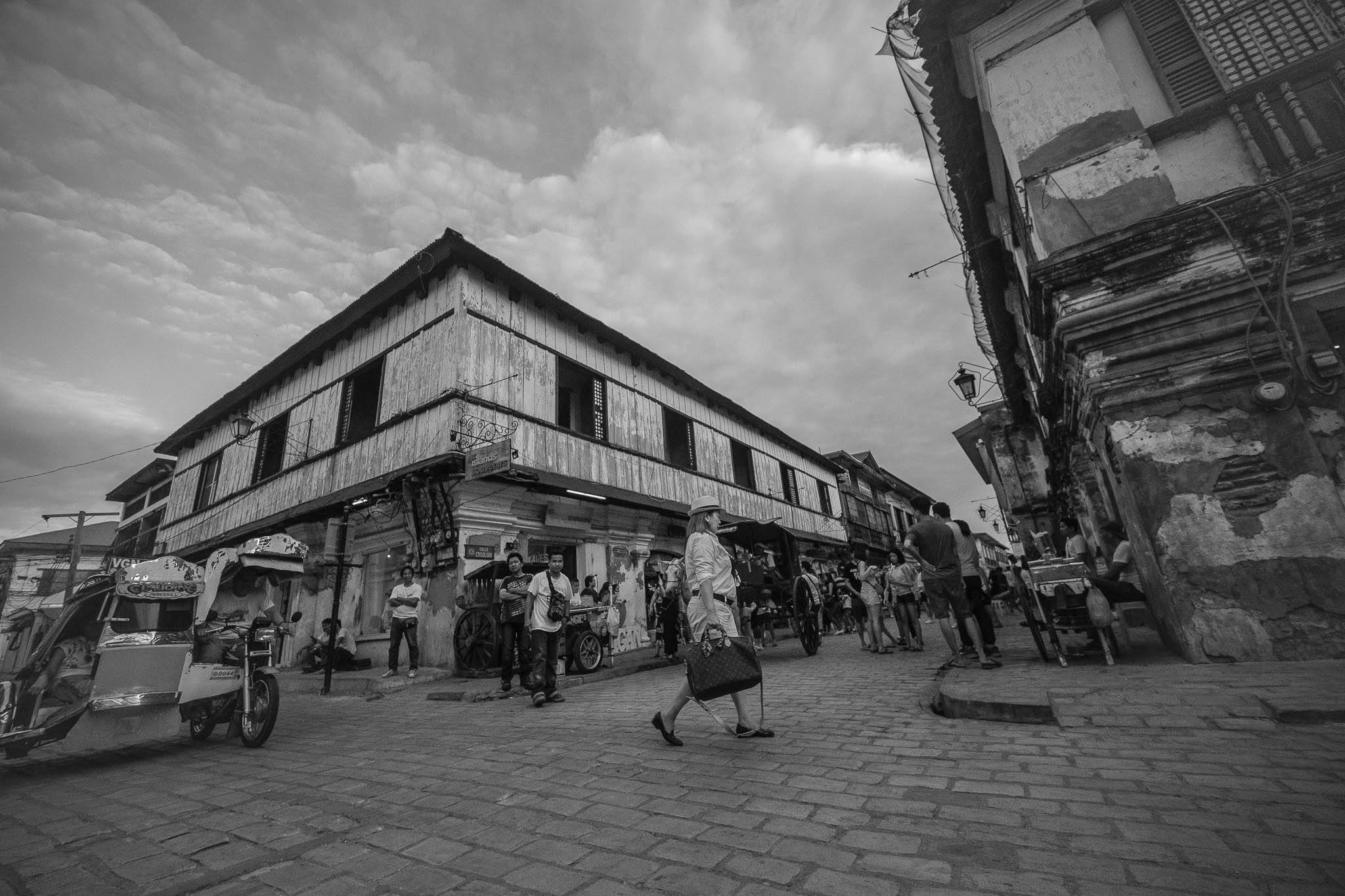
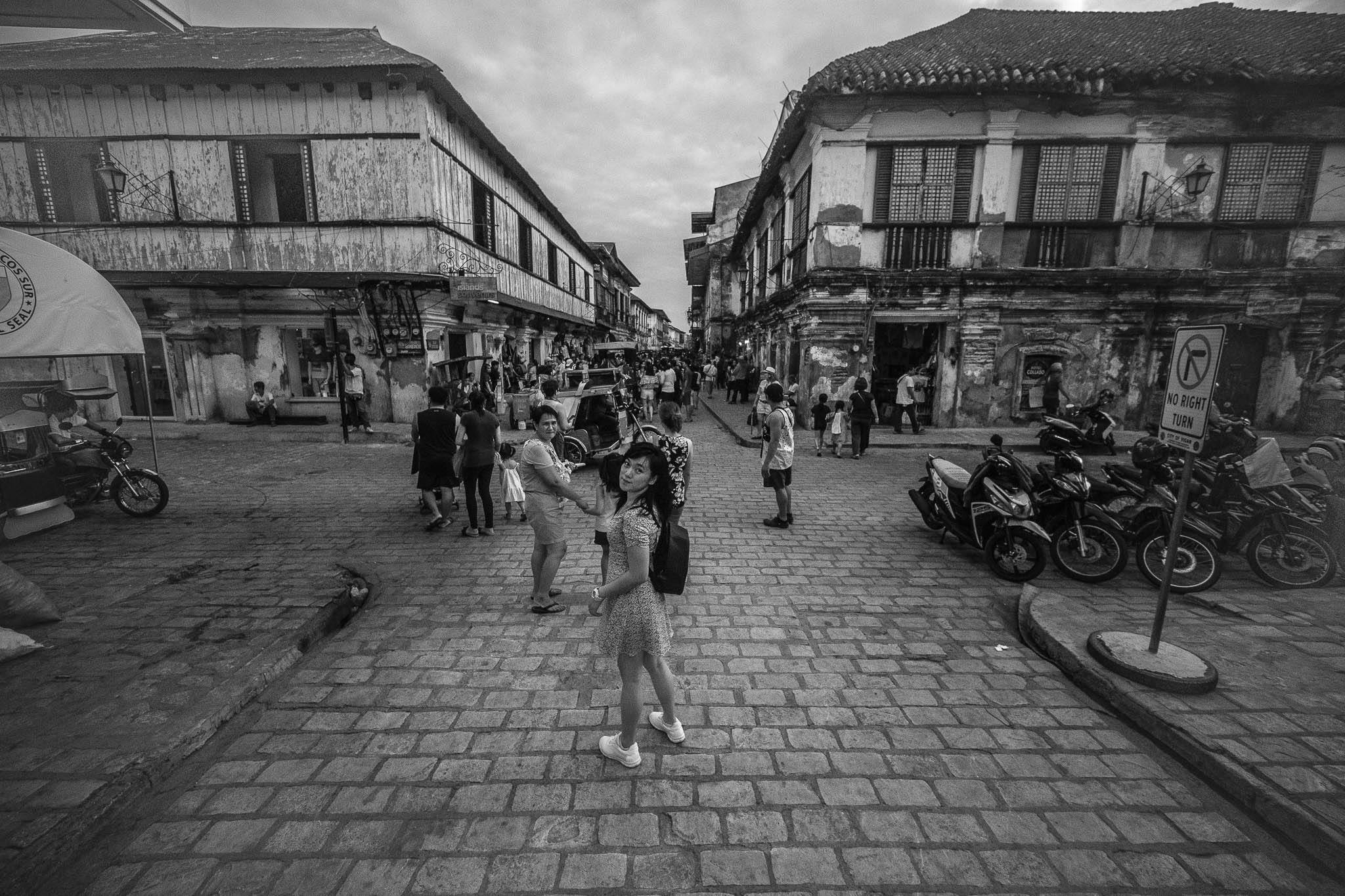
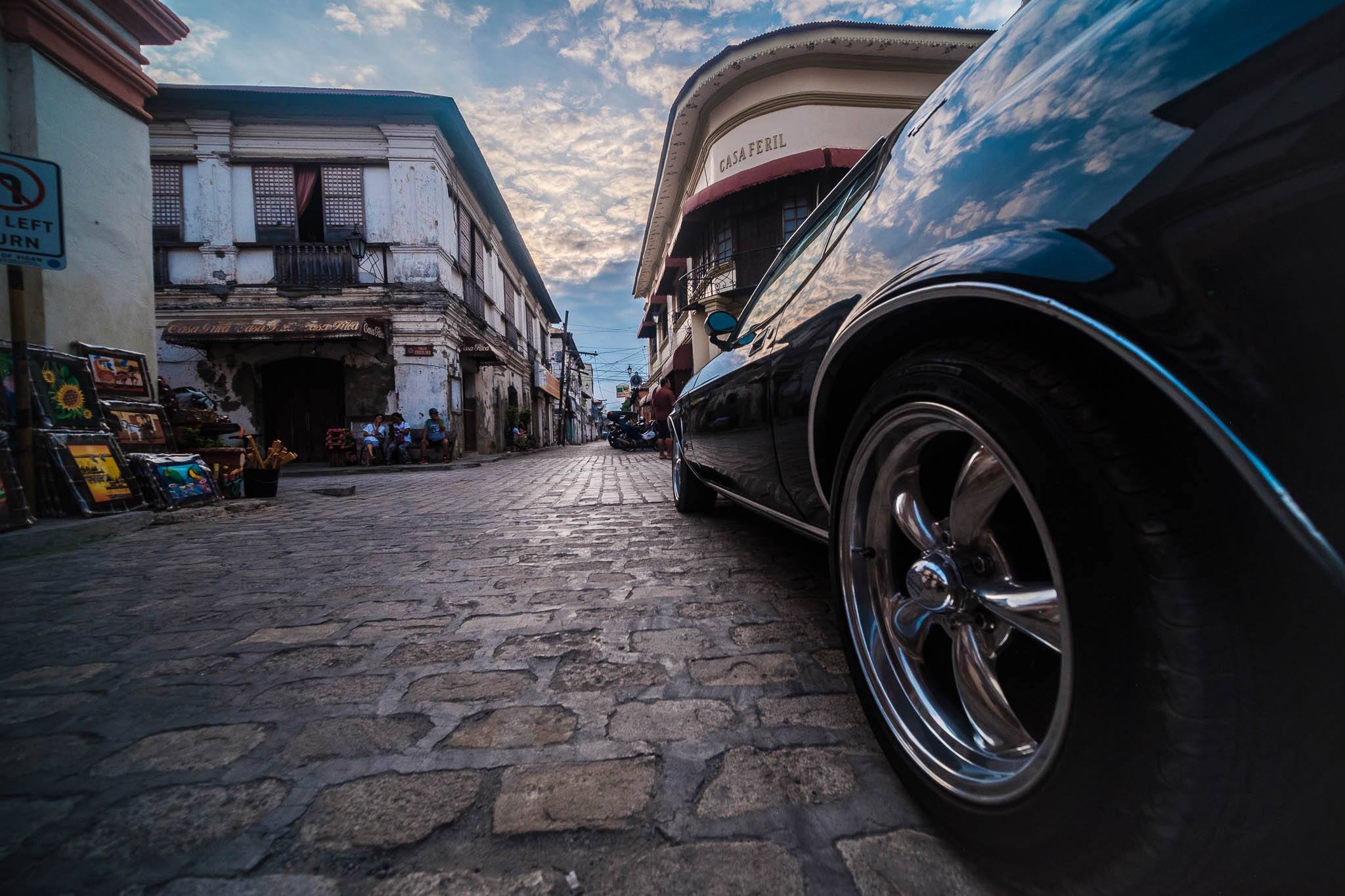
The true magic of Calle Crisologo lies in how its atmosphere shifts from day to night. Your photographs capture this split personality beautifully, shifting from a textured, gritty daytime reality to an ethereal night-time romance.

A Bustling Daytime Museum
 

During the day, the street is alive with texture. The cobblestones, worn smooth by centuries of travel, create a rugged pathway. The peeling paint and exposed brickwork on the walls tell a story of resilience and age.

A Golden Era Romance at Night

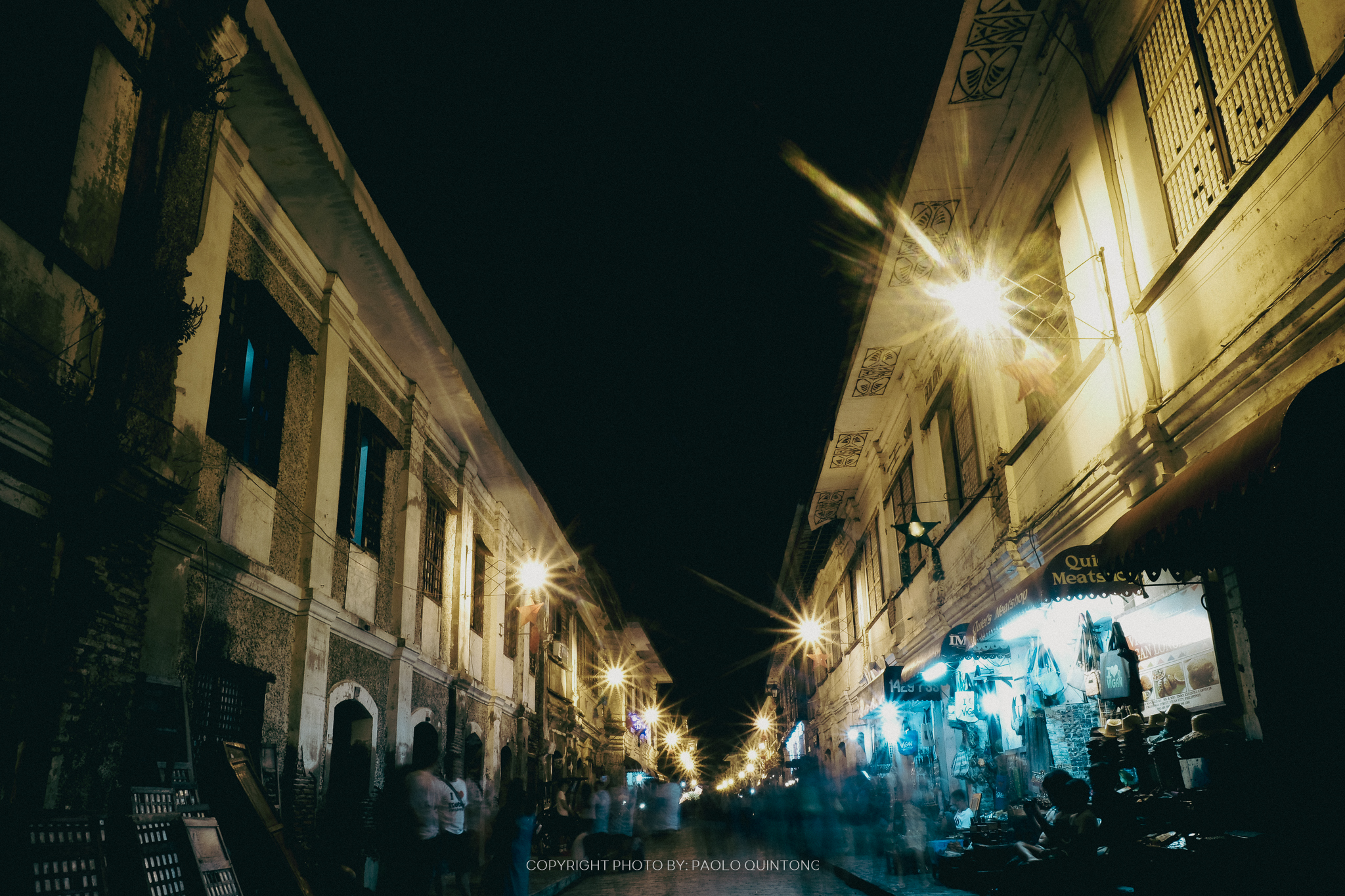
When the sun sets, Calle Crisologo transforms entirely. Modern distractions vanish into the shadows, and the street is illuminated by warm, glowing lights.


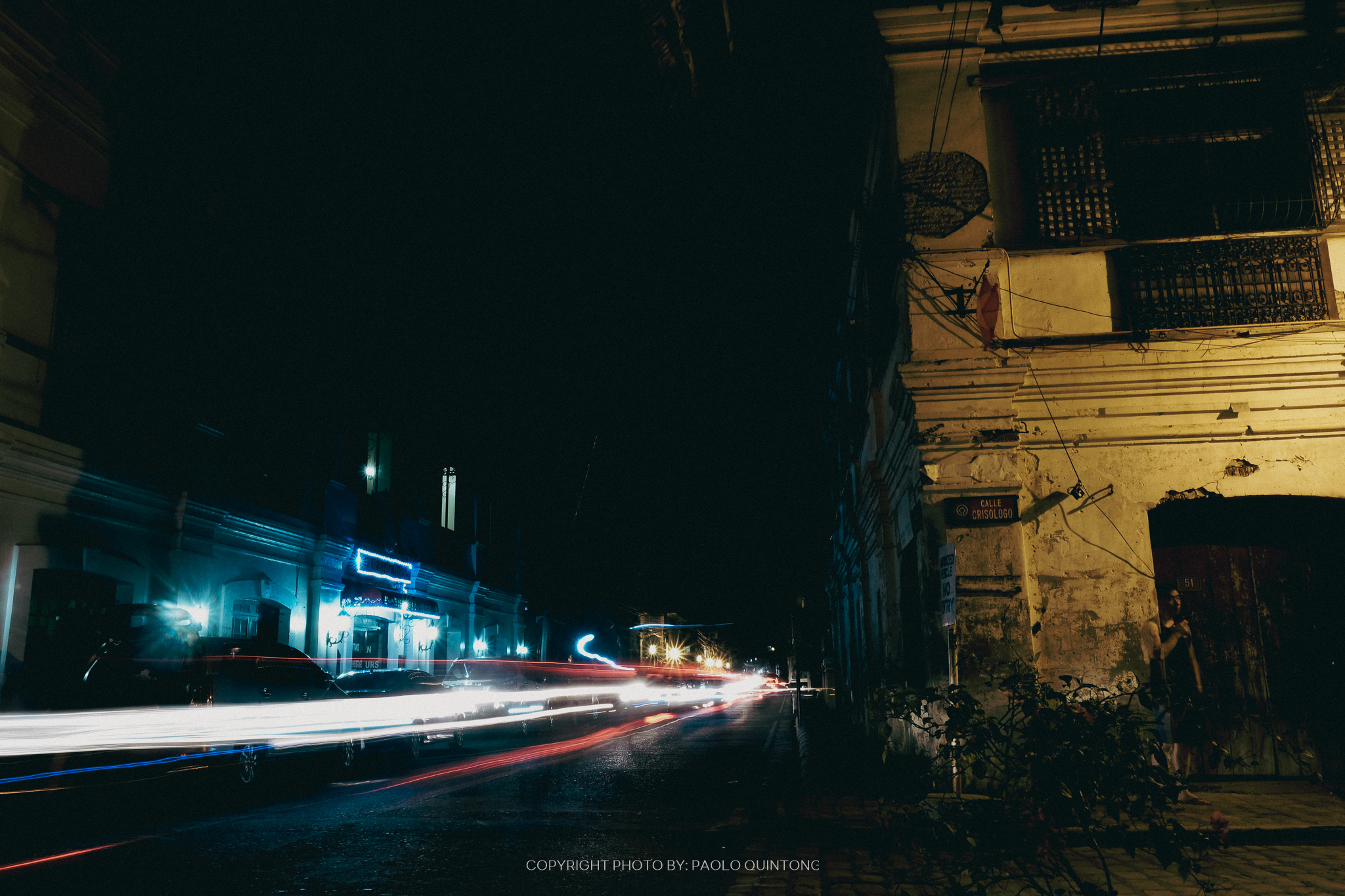
What we see: A long-exposure night shot looking down the narrow corridor of Calle Crisologo. The streetlights burst like stars, casting a warm golden hue over the stone walls. Because of the long exposure, the people walking along the street become ghostly, blurred movements—making it feel like the spirits of the past are walking alongside modern tourists.

What’s Actually Inside Calle Crisologo?

If you wander down this famous street, you don’t just look at the buildings—you experience a living culture. Here are the unique things captured in the photos that you can experience first-hand:

1. The Iconic Calesa Rides

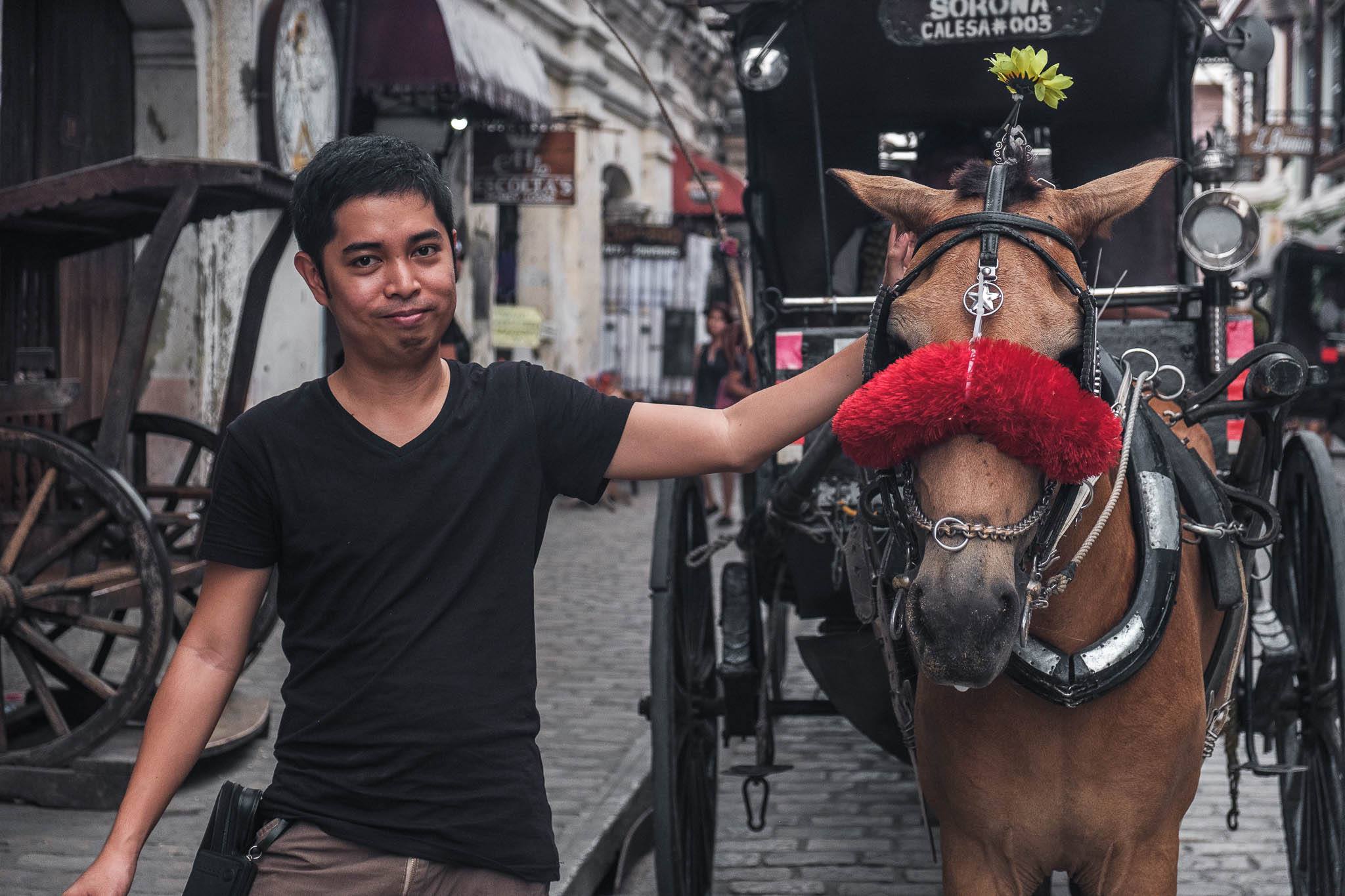
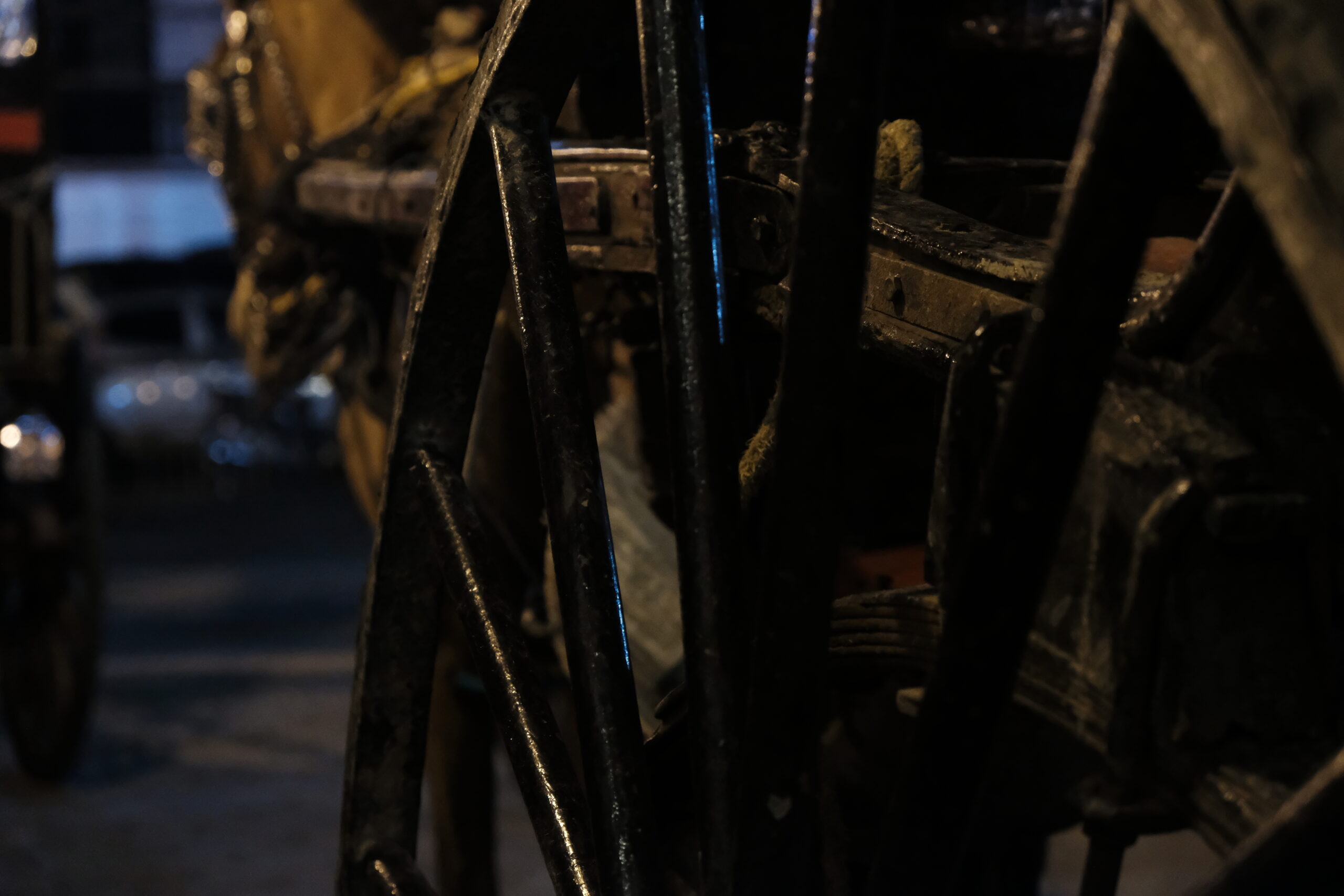
Motorized vehicles are heavily restricted on the main heritage street to preserve the old-world atmosphere. Instead, the calesa (horse-drawn carriage) rules the road. You can see a friendly local driver proudly standing with his horse, which is sporting a bright red pom-pom harness and a sunflower headpiece. A macro shot close-up of the heavy, dark iron wheel of the carriage reminds us of the craftsmanship that goes into these historic rides.

2. Hidden Antique Treasures

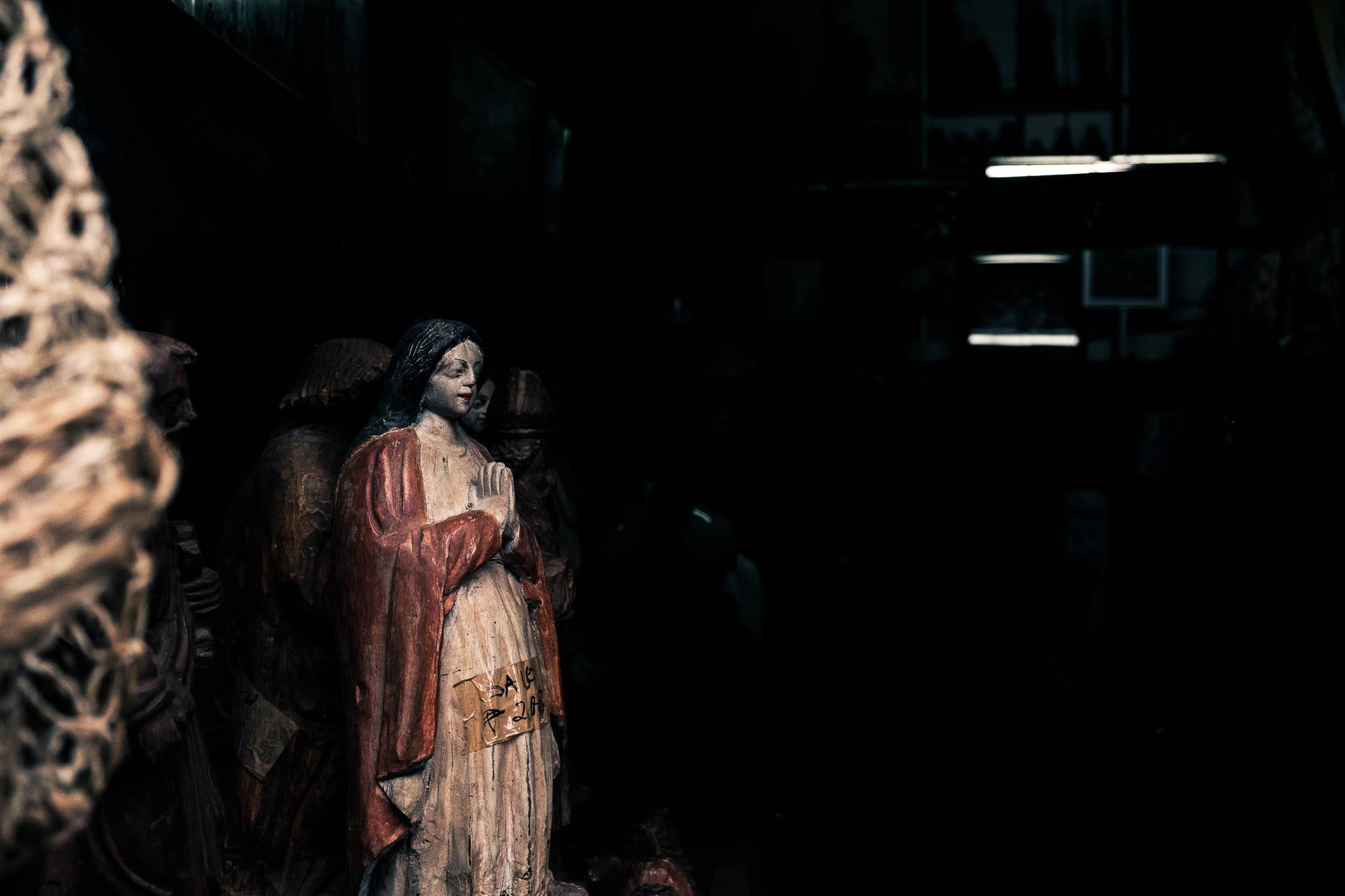
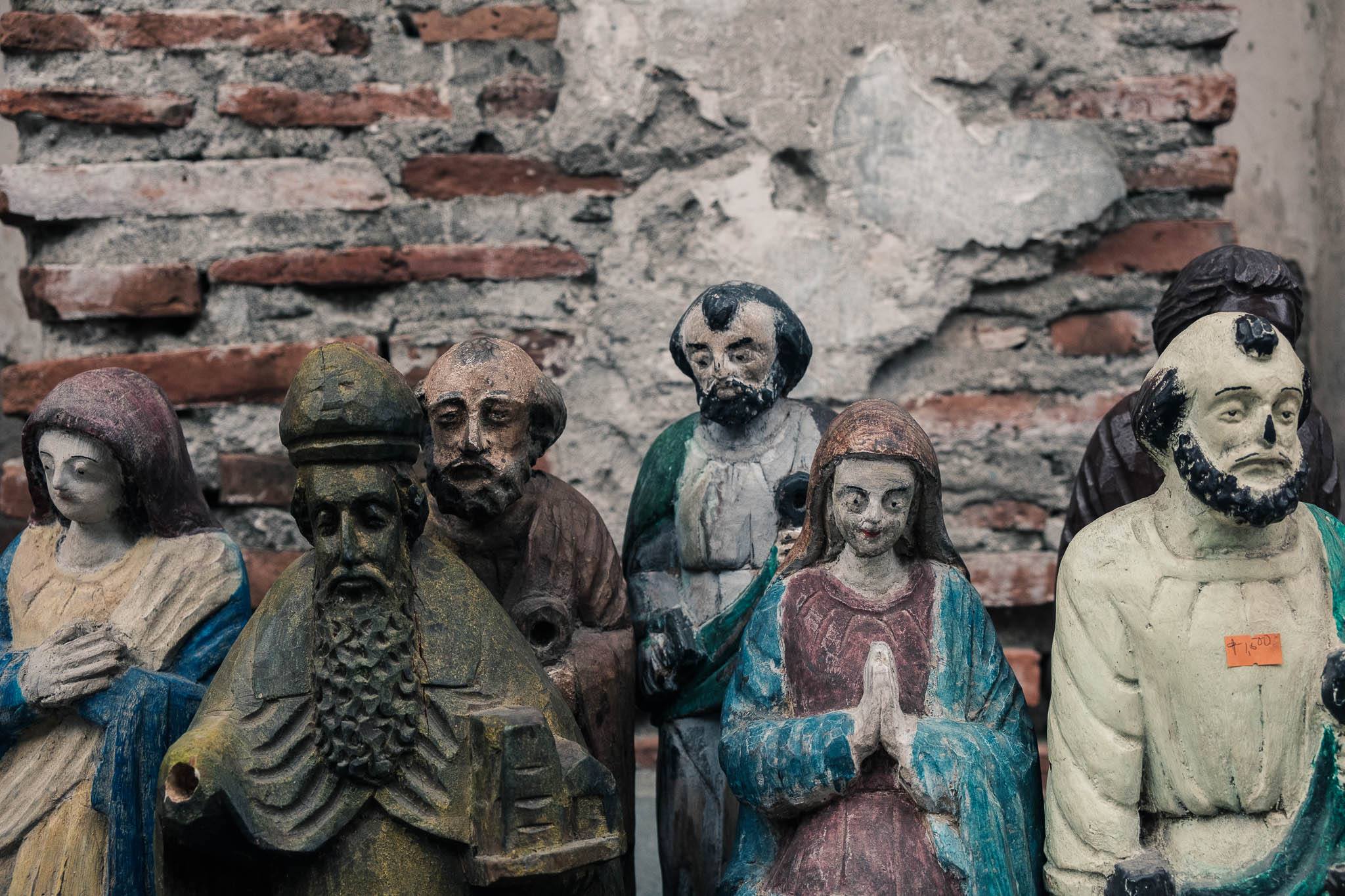
Peeking into the dim interiors of the ground-floor shops reveals a treasure trove of history. One moody photo captures a hand-carved wooden santo (religious statue) with hands clasped in prayer, sitting in a dark antique shop. These shops sell everything from centuries-old furniture to local hand-woven Inabel blankets.

3. Capiz Shell Lanterns

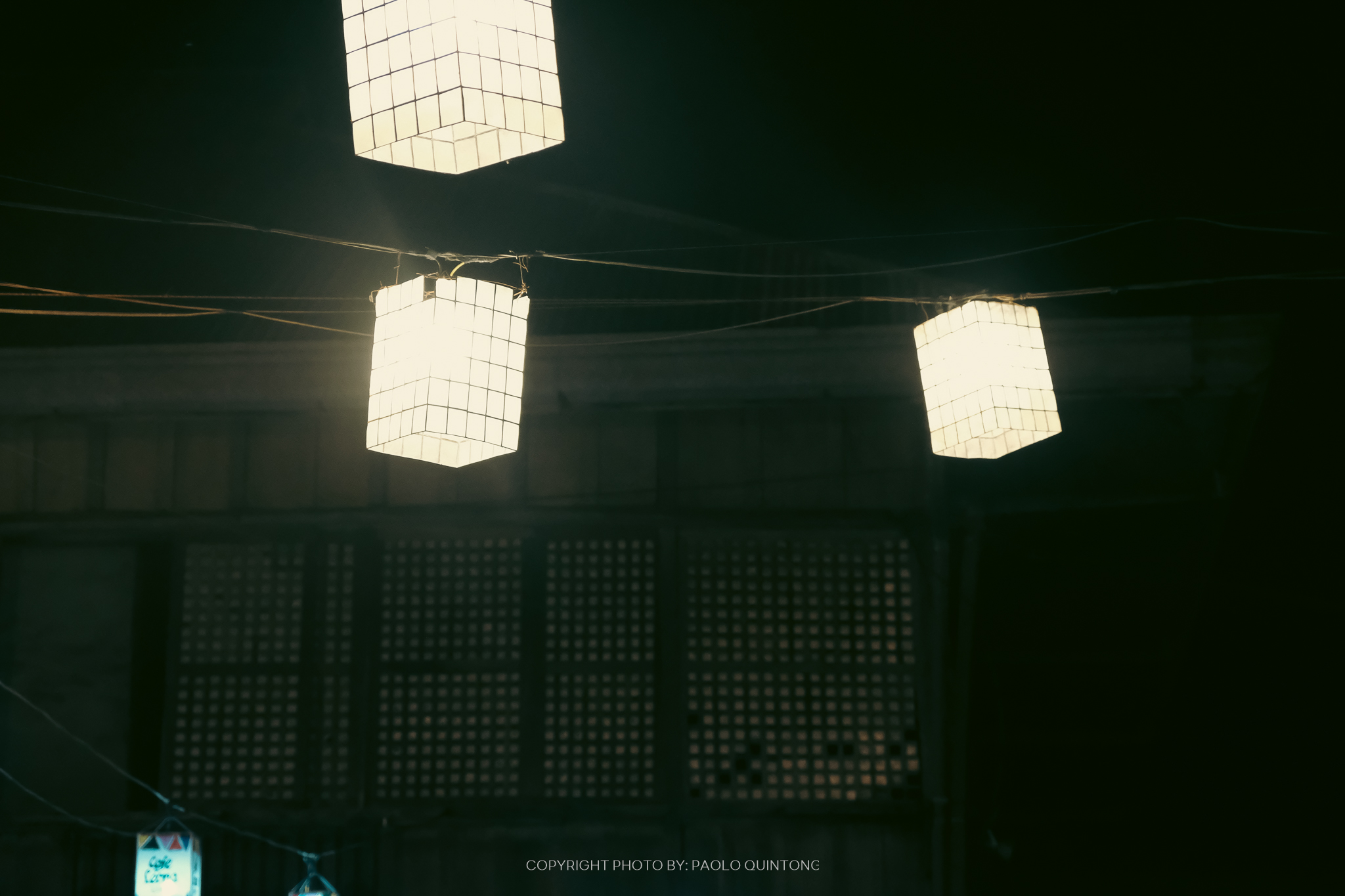
Look up into the night sky, and you’ll see square lanterns hanging across the street. These aren’t made of plastic or glass; they are crafted from capiz shells—translucent bivalve shells traditionally used in Filipino architecture to diffuse harsh sunlight. At night, they emit a soft, beautiful milky glow.

A Contrast of Two Worlds
 

As a final nod to how Vigan exists in the modern world, one of the most compelling night shots shows the “Calle Crisologo” street sign attached to an ancient, cracked plaster corner. Below it, the long exposure catches the brilliant white and red light streaks of modern traffic zooming past.

It serves as a perfect reminder: Vigan isn’t a dead museum trapped in amber. It is a living, breathing city where the past and the present don’t fight for space—they completely harmonize.

Have you ever walked the cobblestones of Vigan? Which view do you prefer—the crisp textures of the day or the ghostly romance of the night? Let me know in the comments below!


Leave a Reply

Your email address will not be published. Required fields are marked *