SEARCH
Building with Timber: A Low-Carbon Approach to Modern Construction
A Closer Look at Sustainable Timber Construction
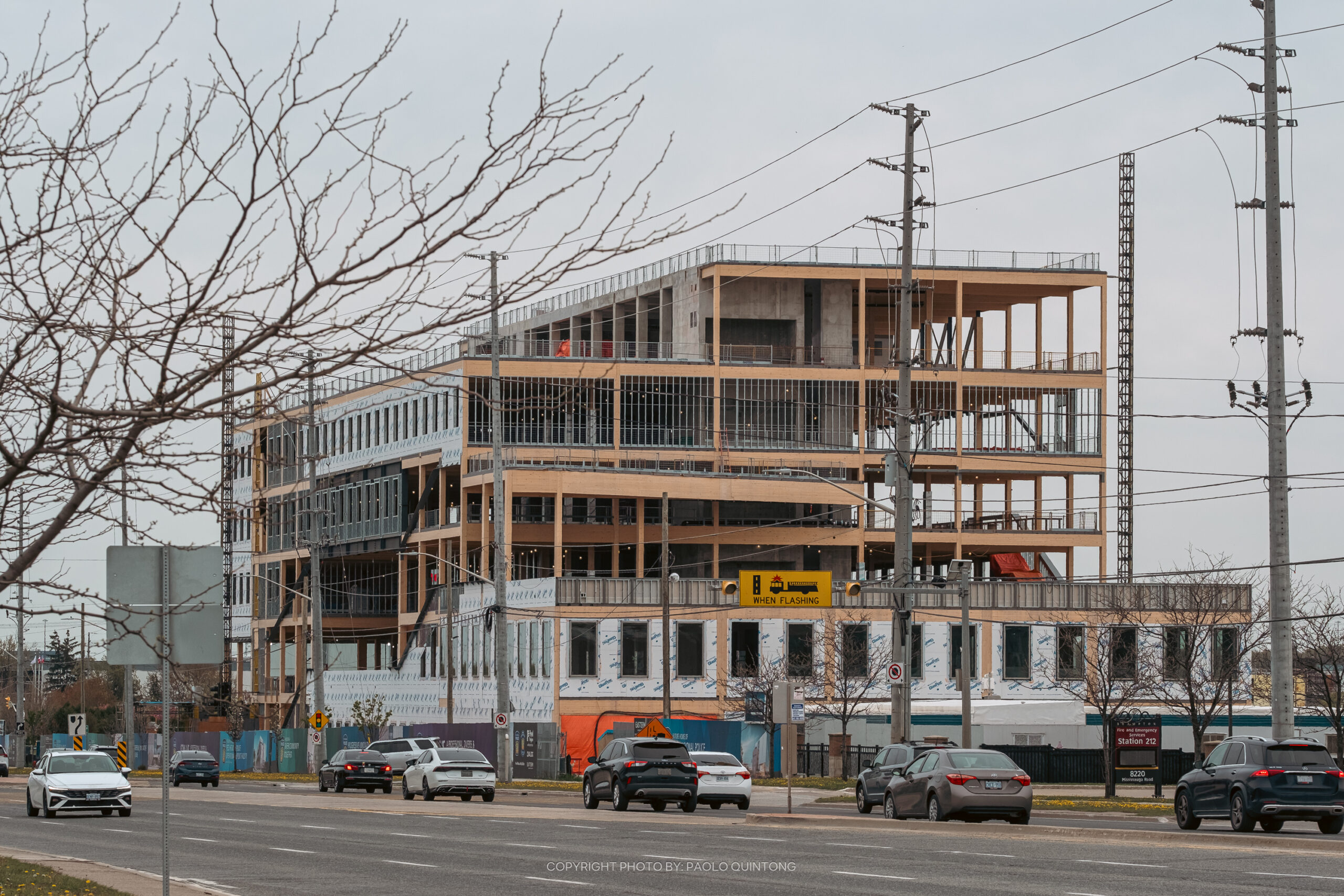
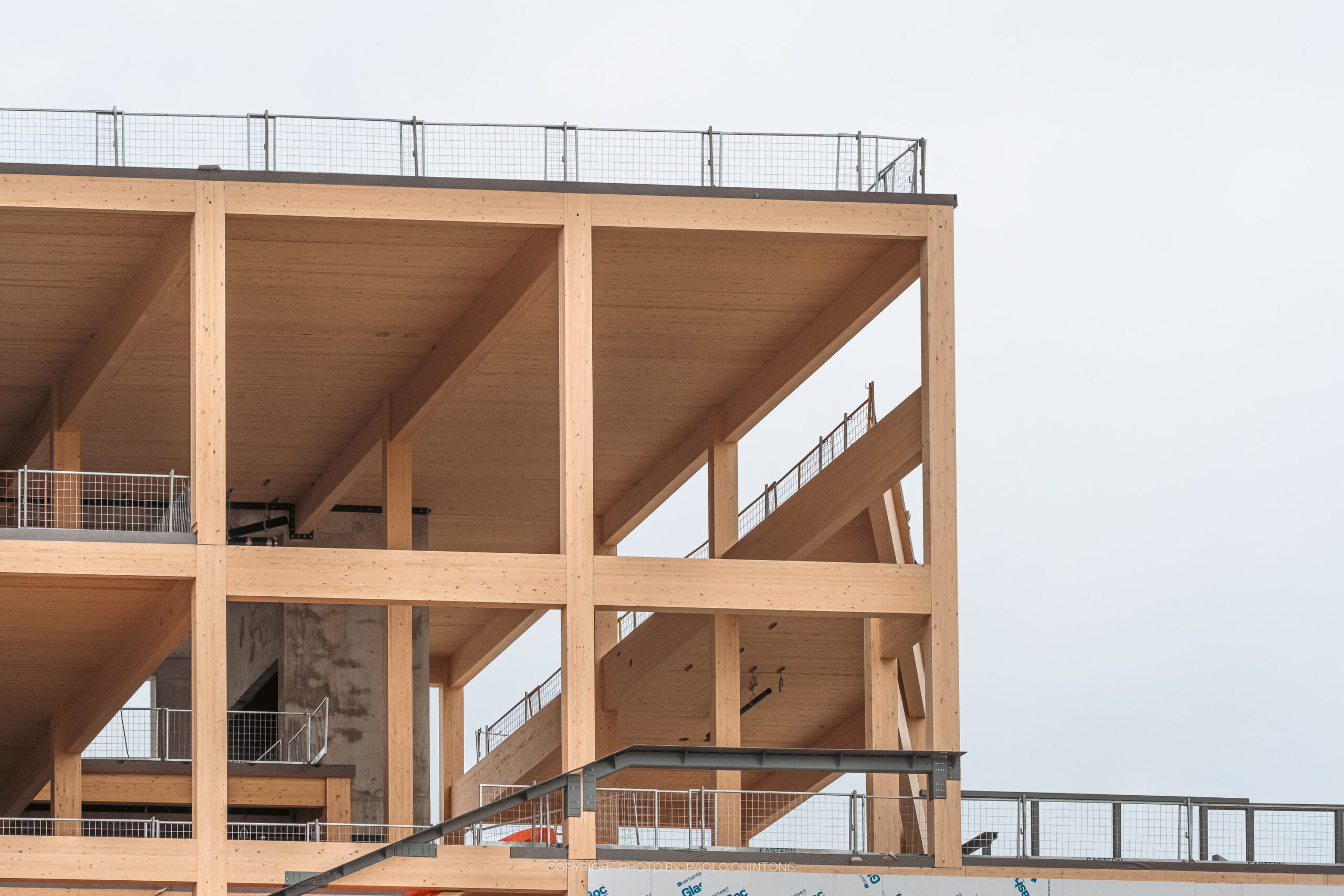
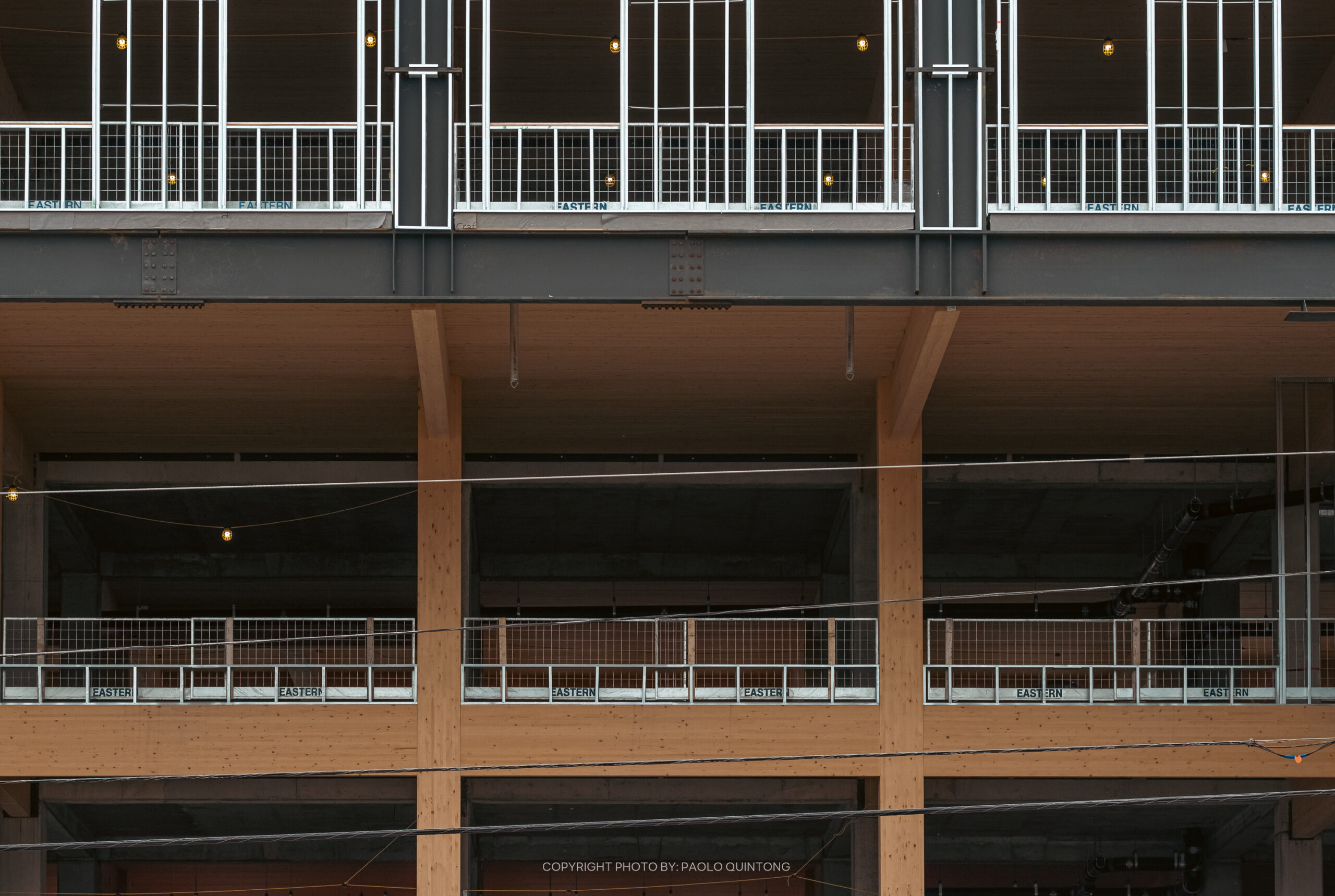
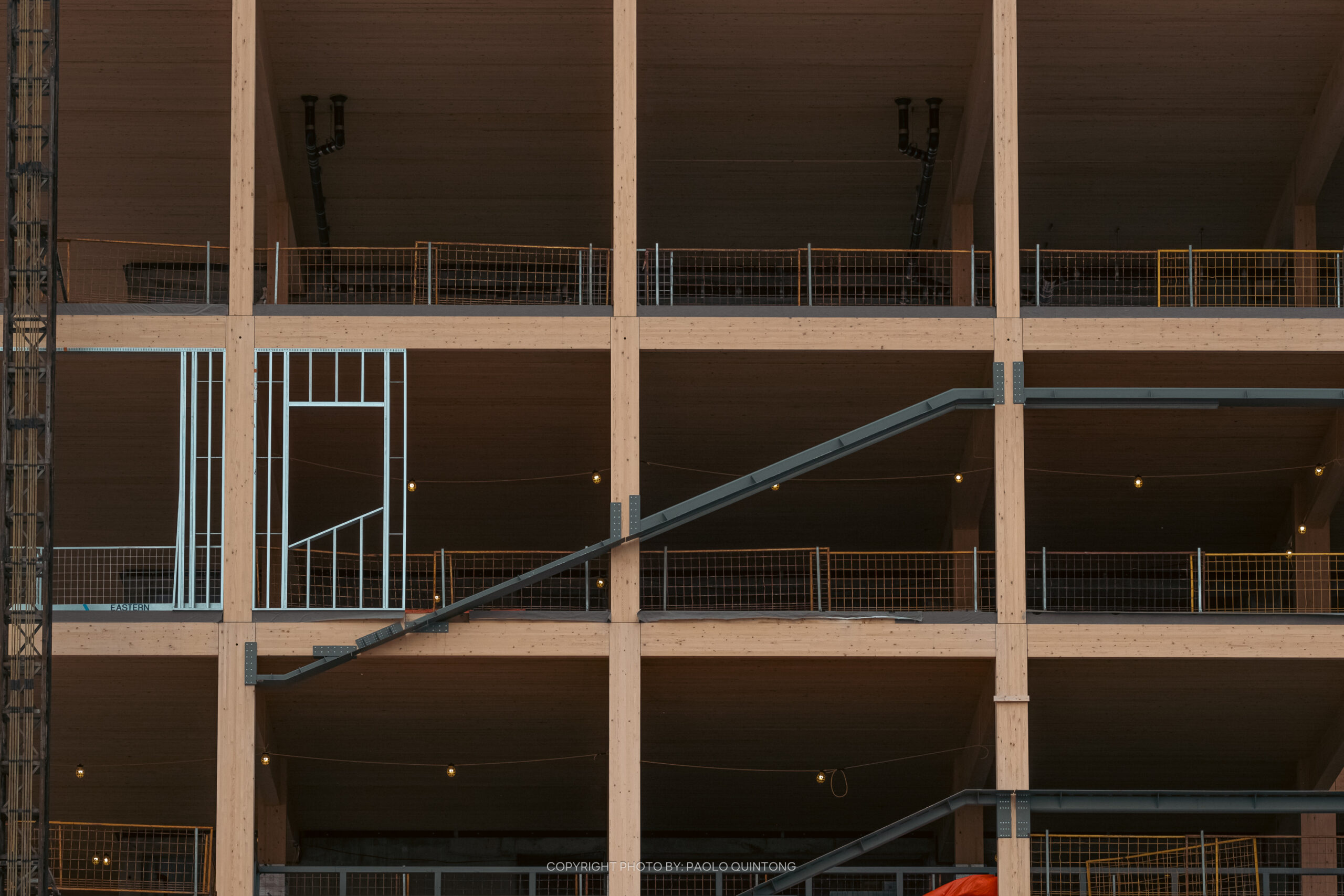
This 6-storey institutional project in Brampton showcases the growing use of mass timber construction in large-scale civic architecture. The structure features exposed glue-laminated timber (Glulam) beams and columns across all above-grade floors, creating a warm and natural architectural expression while significantly reducing the building’s environmental impact.
Mass timber is considered one of the most sustainable structural systems today due to its low embodied carbon, renewable material sourcing, and ability to store carbon throughout the life of the building. Compared to conventional concrete and steel construction, timber systems require less energy to manufacture and can help reduce overall greenhouse gas emissions.
The Anatomy of Modern Mass Timber
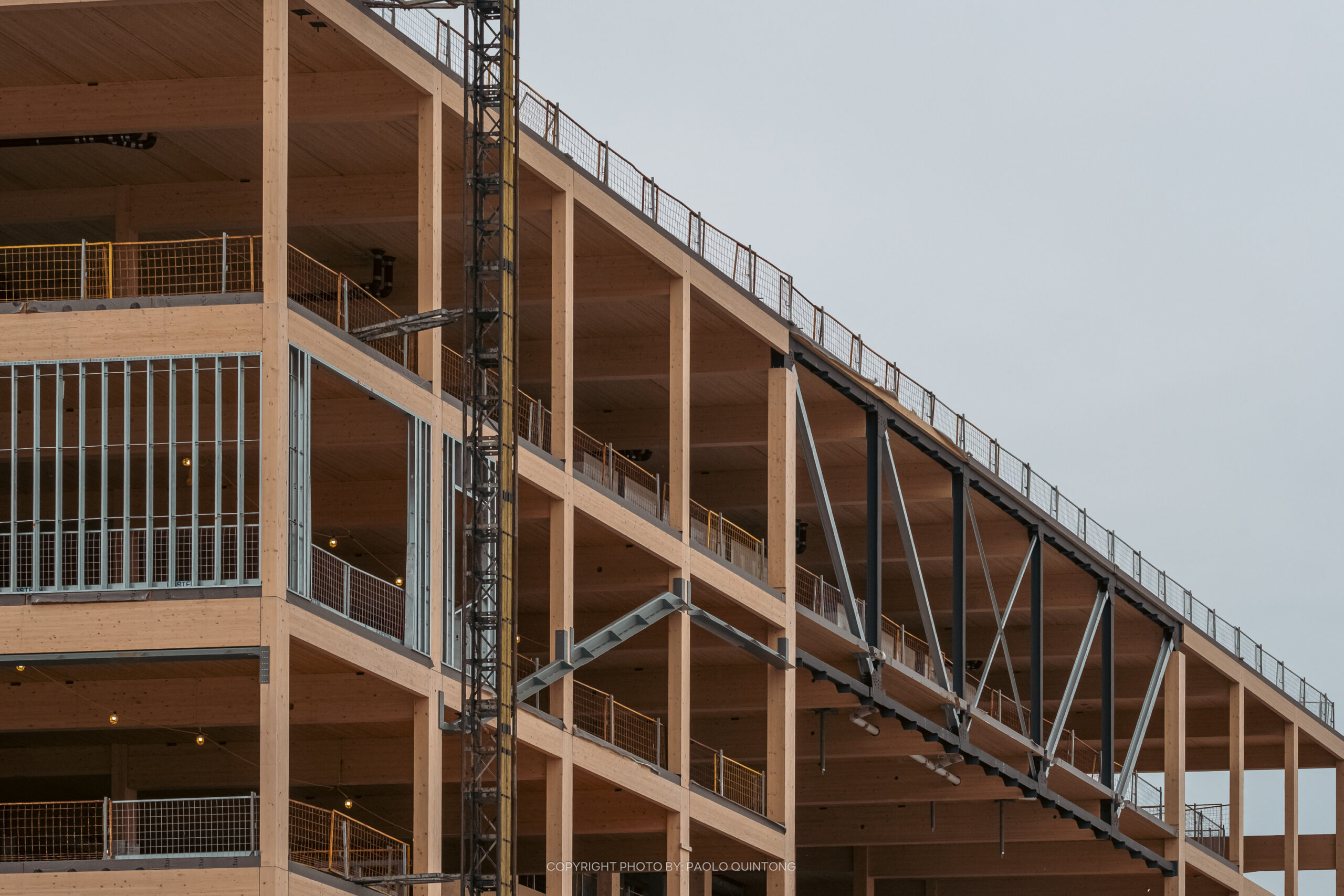
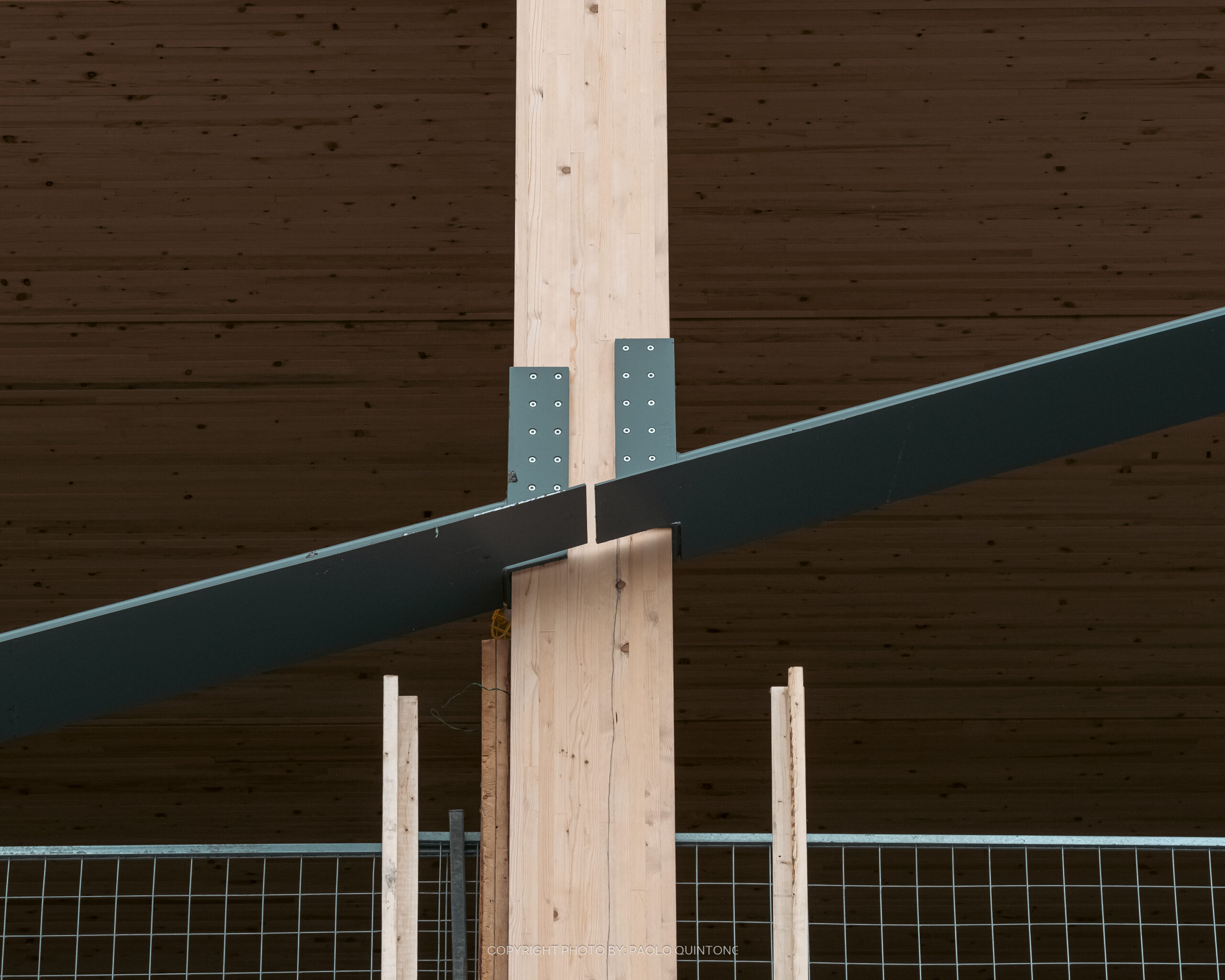
The visual evidence from the construction site highlights the precision and hybrid nature of modern mass timber projects. The timber frame integrates with other materials; while the primary skeleton is wood, a concrete core provides lateral stability, and steel connections are used to marry the large glulam components together.
Key observations from the current construction phase include:
Hybrid Systems: The building utilizes glulam for its primary post-and-beam structure but incorporates steel light-gauge framing for interior partitions. This allows for a flexible interior layout while maintaining the timber’s aesthetic and environmental benefits.
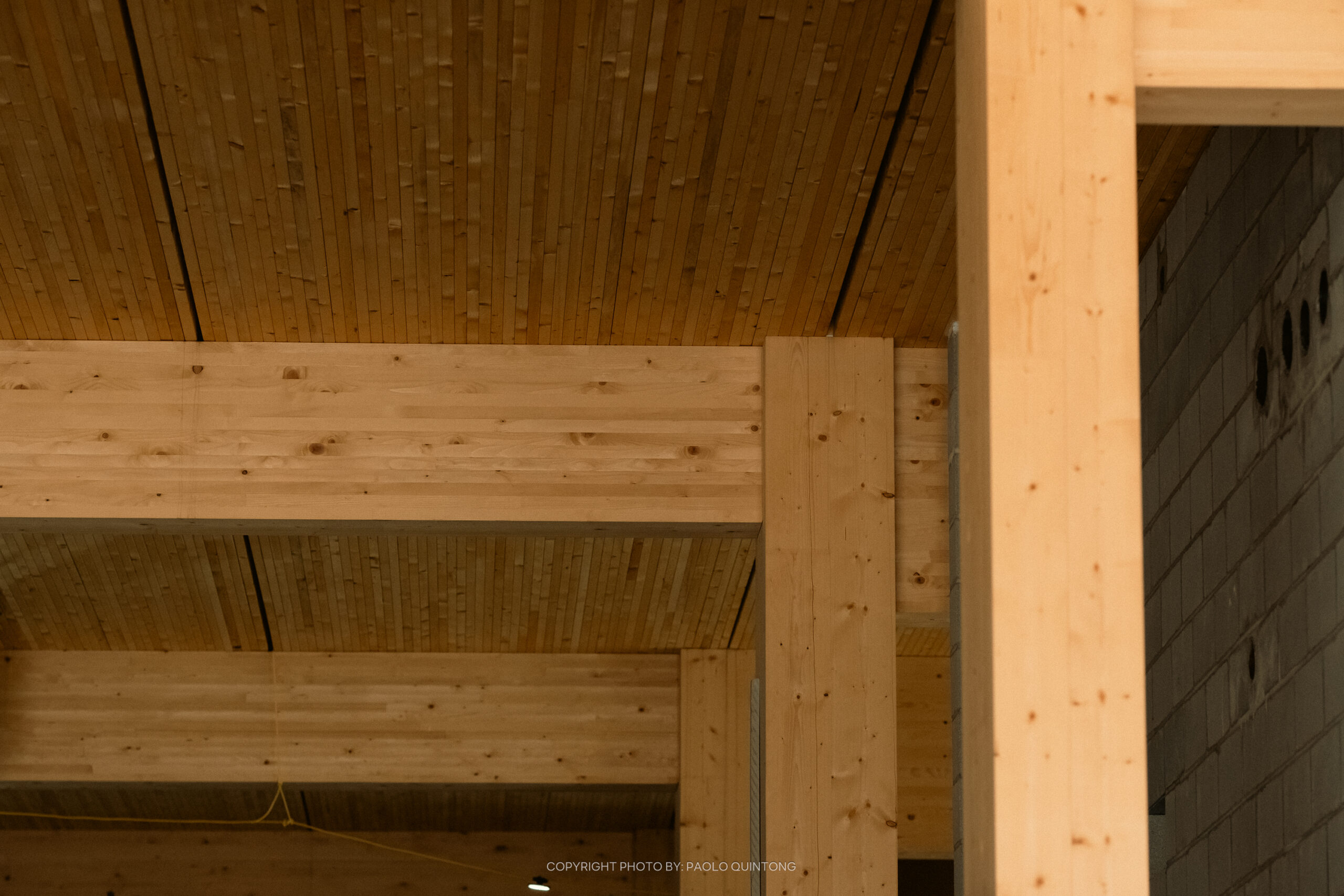
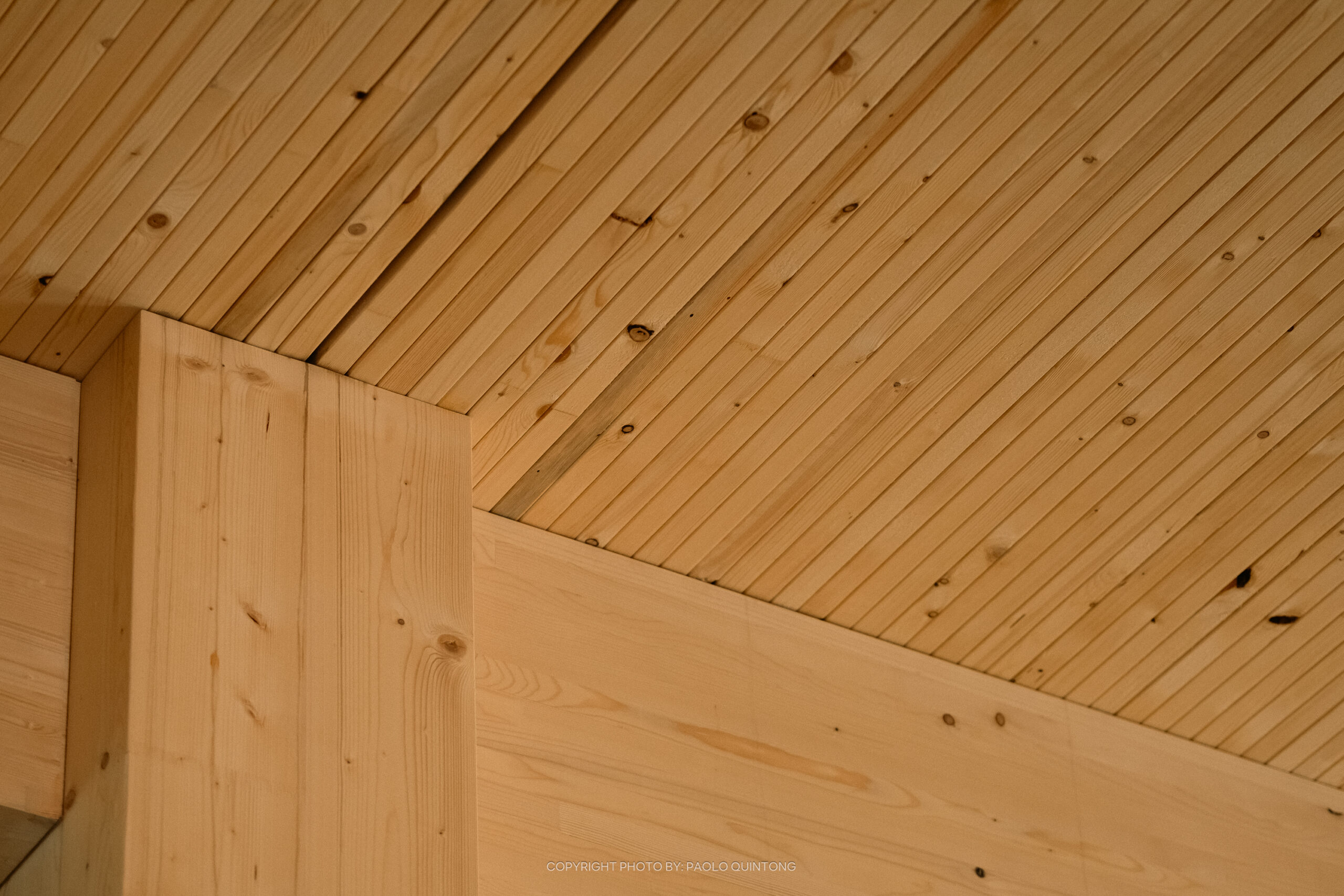
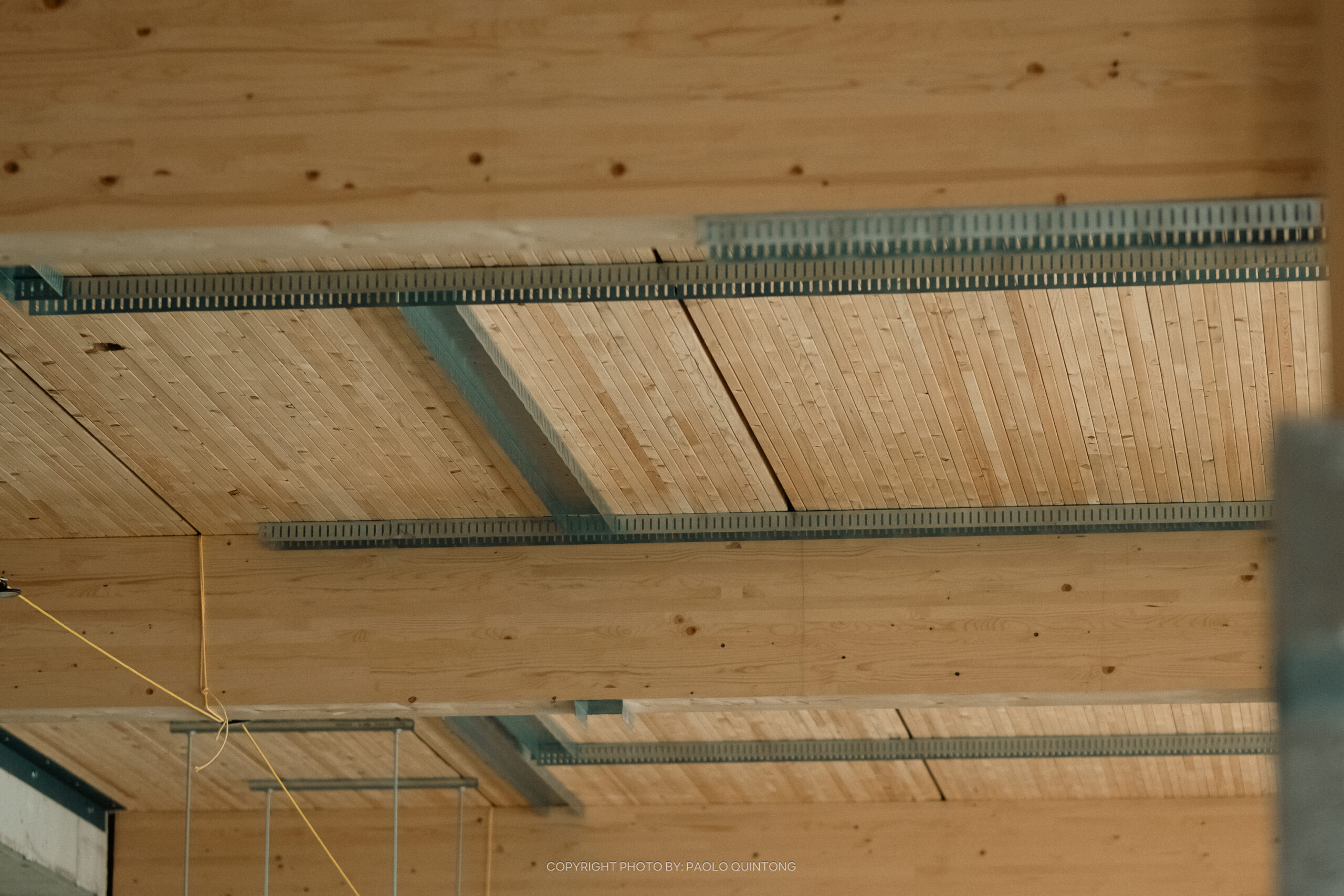
Precision Engineering: The underside of the floor assemblies reveals the clean lines of timber panels supported by massive glulam beams. The pre-drilled holes and factory-finished surfaces indicate a high level of prefabrication, which accelerates on-site assembly.
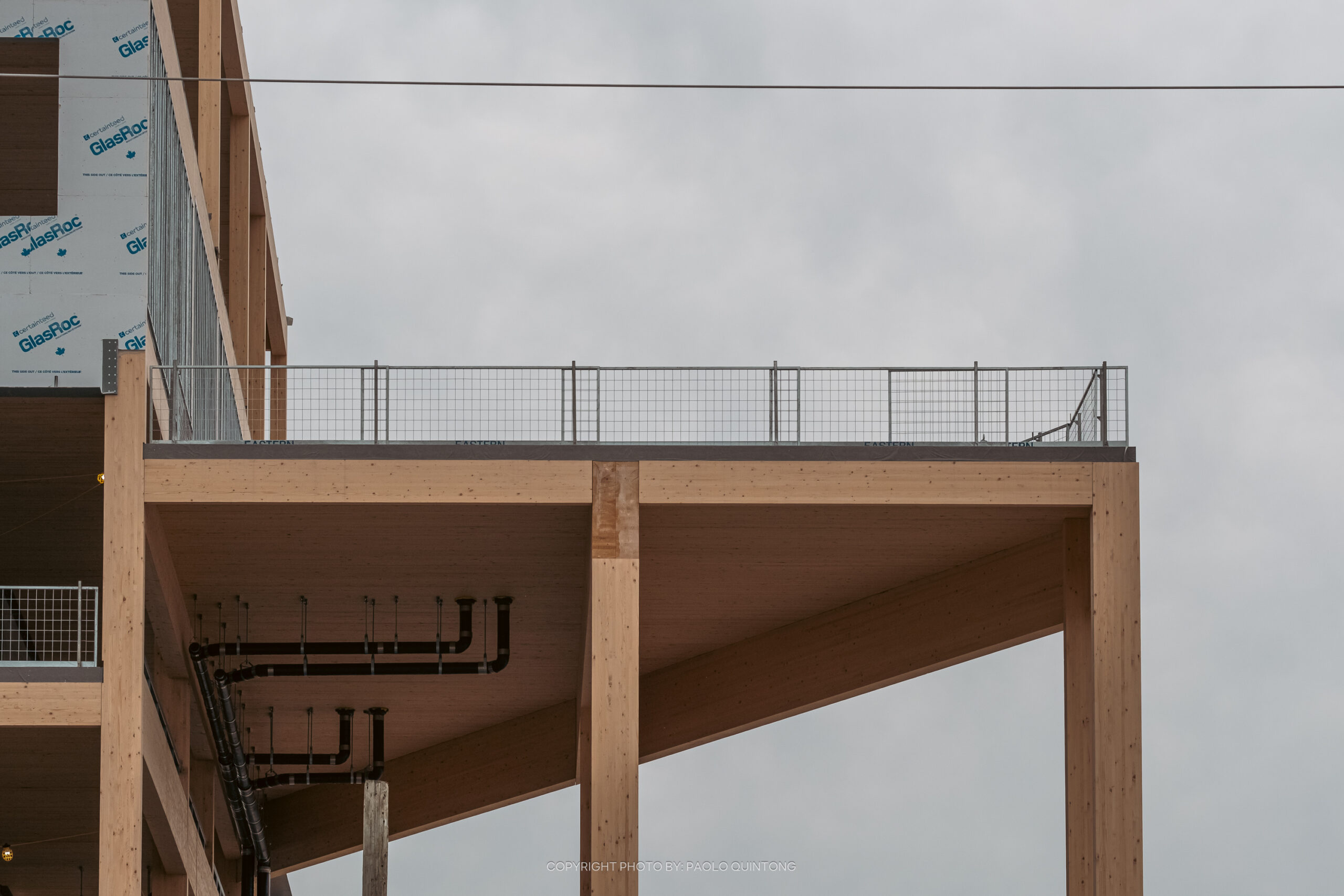
Integrated Services: Modern timber design doesn’t hide the building’s “nervous system”. Mechanical and plumbing systems are being neatly suspended from the timber ceiling, ensuring that the biophilic benefits of the exposed wood remain a focal point.
Sustainable Design & Biophilia
The project also demonstrates key sustainable design strategies commonly associated with LEED-focused developments, including:
Reduced embodied carbon.
Improved indoor environmental quality.
Energy-efficient building systems.
Reduced construction waste through prefabrication.
Beyond sustainability, exposed timber contributes to biophilic design by creating healthier and more comfortable interior environments through the natural warmth and texture of wood. This project reflects the continuing shift toward low-carbon and environmentally responsible construction in modern institutional architecture.
Project Team
Architect: DIALOG
Builder: Eastern Construction
A successful electrical conduit installation begins long before construction starts on site. Through detailed BIM coordination using Autodesk Revit, clash…
A glimpse into BIM coordination workflows at the PRP Regional Police project under Guild Electric Ltd., featuring clash detection in…
Standing beneath the towering structure of the CN Tower, the camera points upward into a vast blue sky, emphasizing the…
Further along Queen Street West, storefronts introduce bold color into the urban environment. A deep orange façade beside a dark…