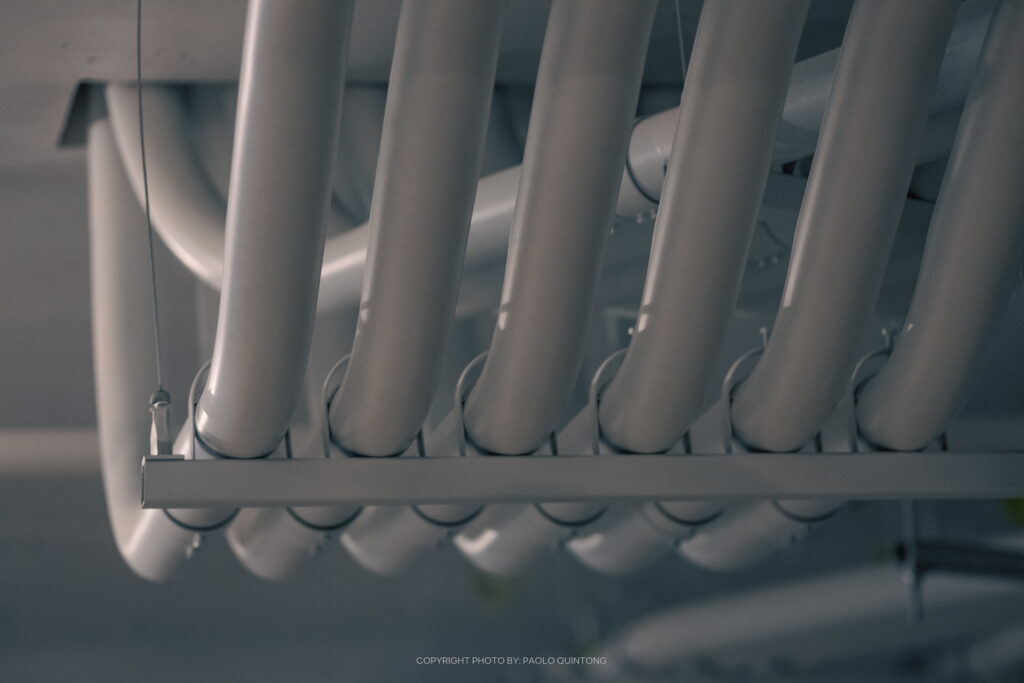
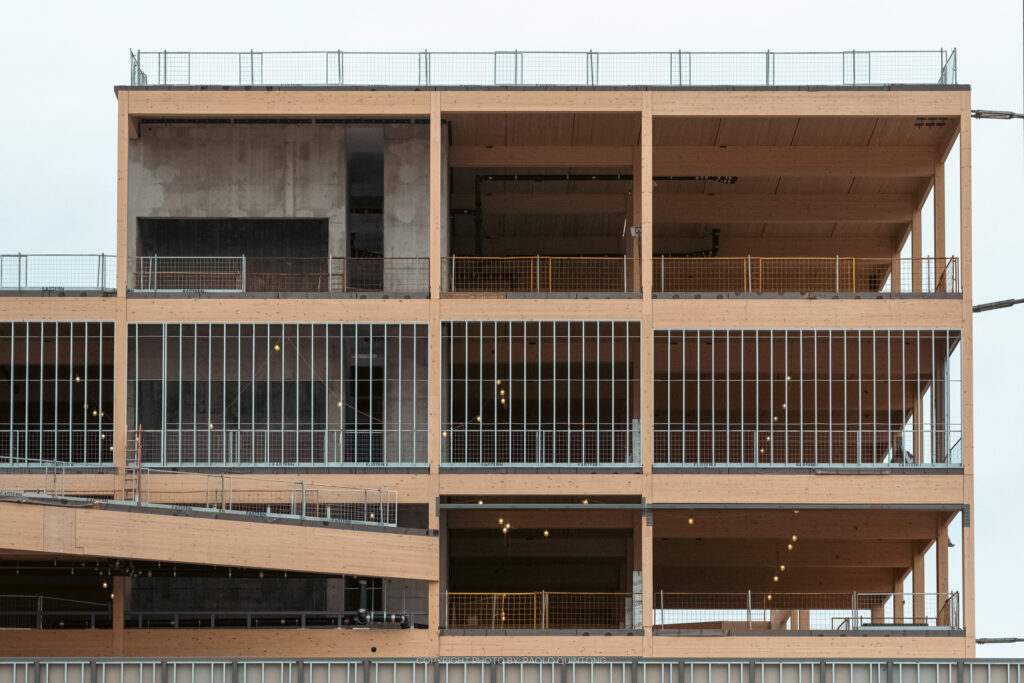
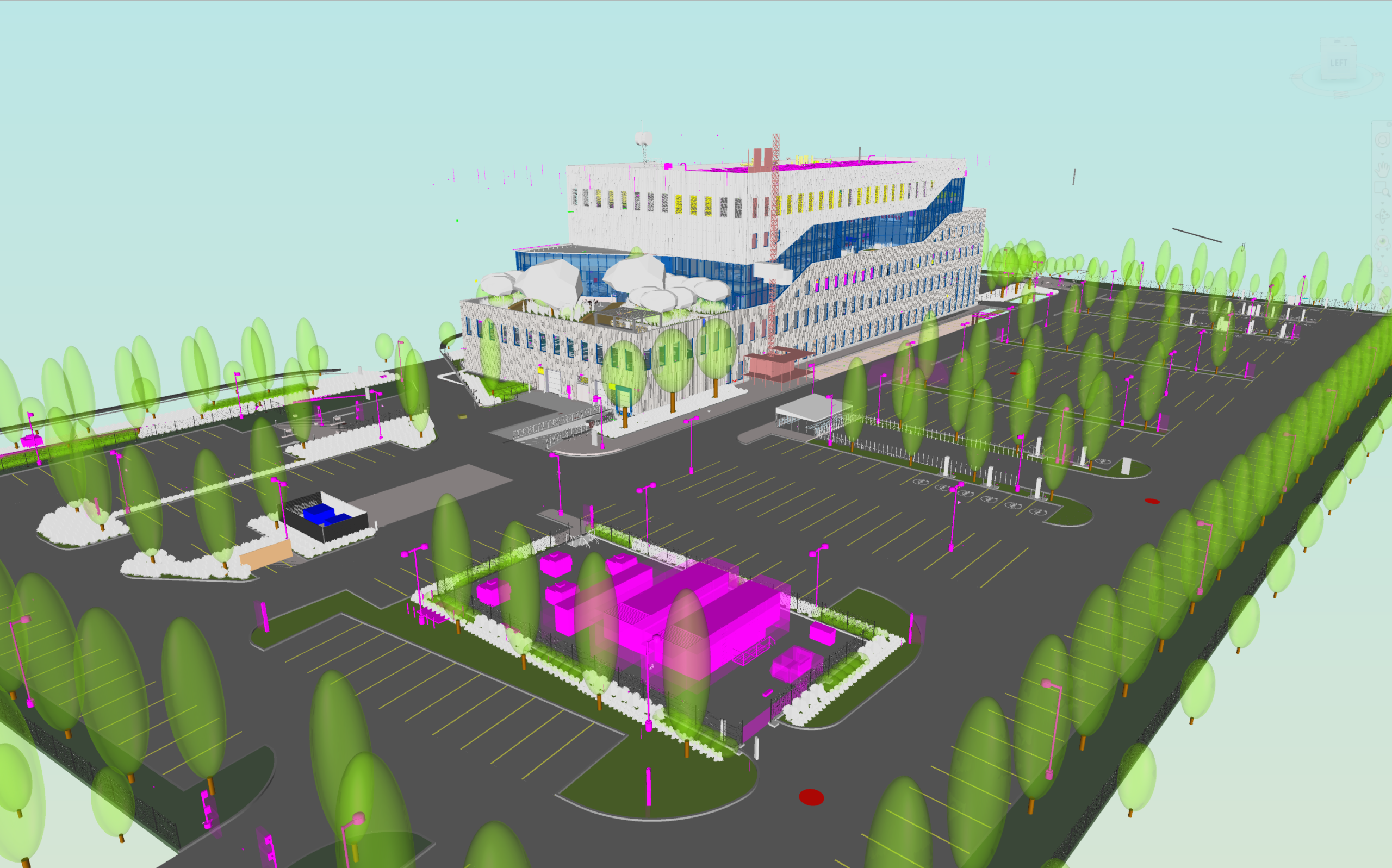
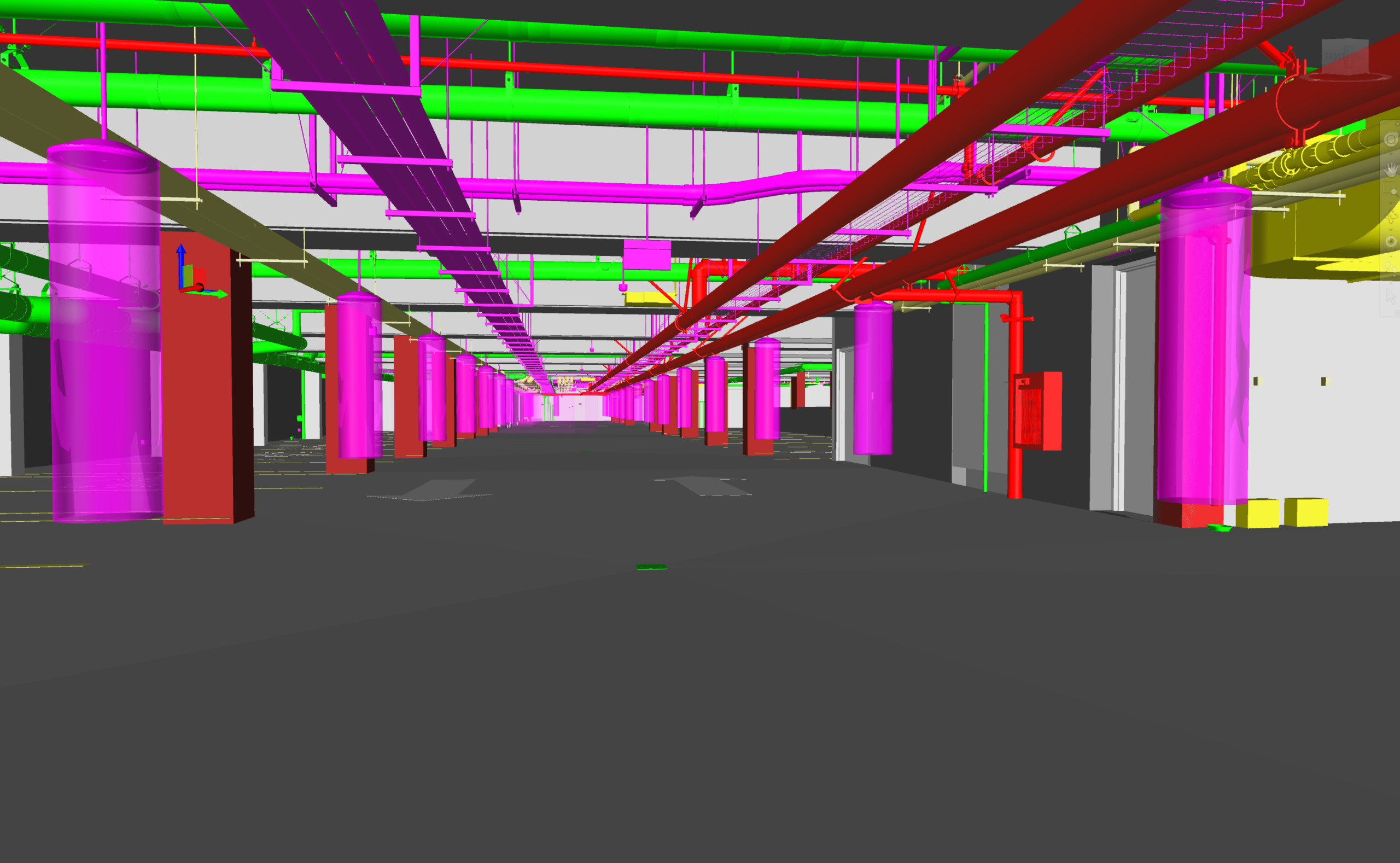
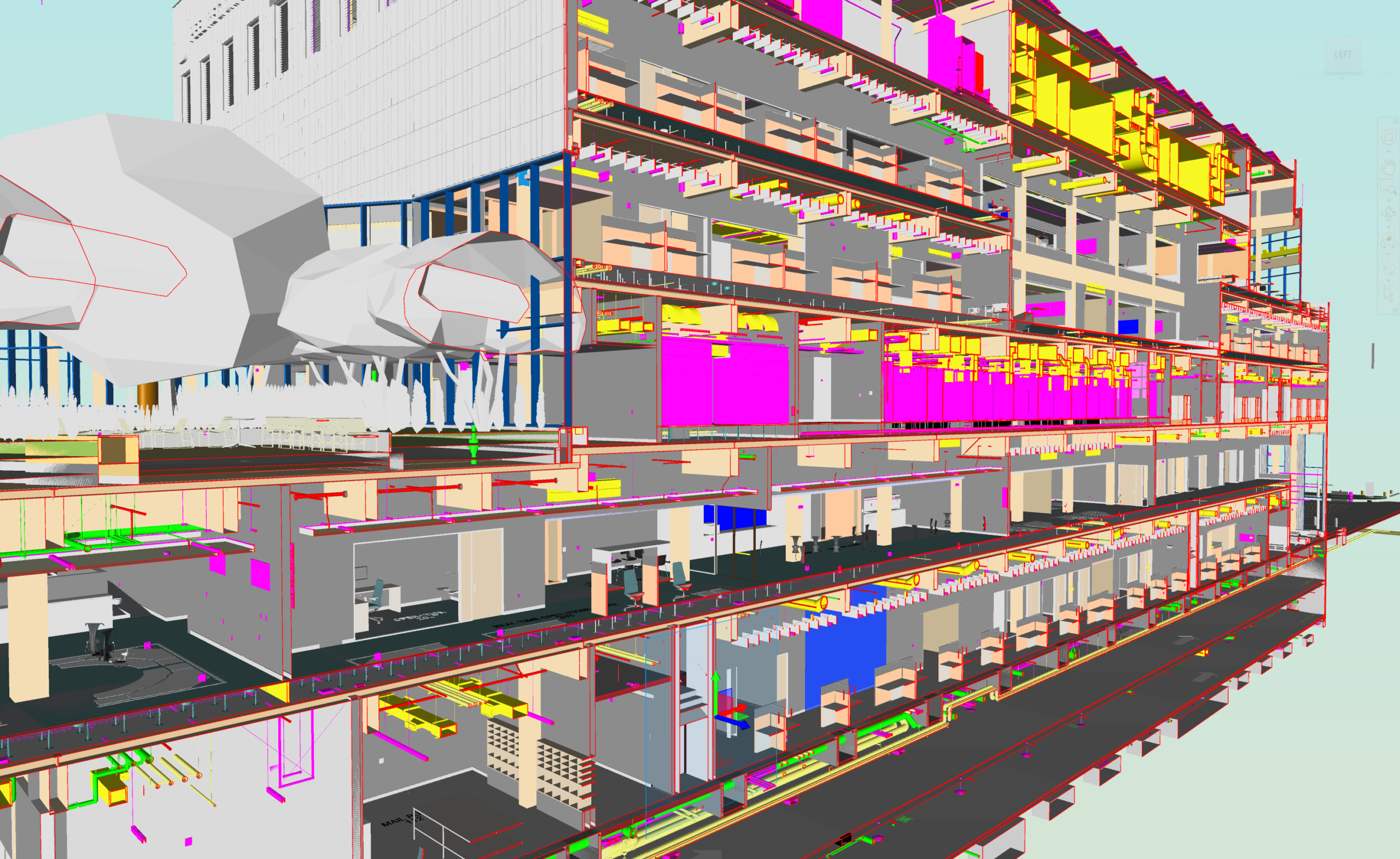
These snapshots capture part of my work experience on the PRP Regional Police project under Guild Electric Ltd., where I worked within the BIM coordination process using Autodesk Navisworks. The images reflect the daily coordination efforts involved in managing complex building systems and ensuring that multiple disciplines work together seamlessly before construction takes place on site.
Working as a BIM Coordinator involves far more than reviewing 3D models. It is a process of communication, problem-solving, and technical analysis. Through Navisworks coordination, I worked with architectural, structural, mechanical, and electrical models to identify clashes, review constructability concerns, and help streamline installation sequencing. Detecting issues early in the digital environment helps reduce costly rework, delays, and field conflicts during construction.
One of the most valuable aspects of BIM coordination is collaboration. Every clash detected represents an opportunity for teams to coordinate solutions before work reaches the field. Whether it involves routing conflicts, ceiling space limitations, or equipment clearances, coordination meetings and model reviews play an important role in maintaining project efficiency and accuracy.
In addition to the coordination snapshots, I also uploaded a video demonstrating site coordination using Dalux augmented reality technology. The video showcases how BIM models can be overlaid directly onto the real-world construction environment through a mobile device or tablet. This approach allows teams to visualize installations on site, compare actual conditions against the coordinated model, and verify alignment between design and construction in real time.
Using augmented reality in construction coordination enhances communication between office and field teams by making digital information more accessible during site inspections. It also improves accuracy by helping identify potential discrepancies before installation progresses further. Technologies like Dalux demonstrate how BIM continues to evolve beyond desktop coordination into practical field applications that support more efficient project delivery.
These experiences reflect the growing role of digital construction workflows in today’s industry. From clash detection in Navisworks to on-site augmented reality coordination through Dalux, BIM technology continues to transform how projects are planned, coordinated, and executed. Being part of these processes has strengthened my experience in multidisciplinary coordination, constructability review, and the integration of digital tools into real-world construction environments.