/
/
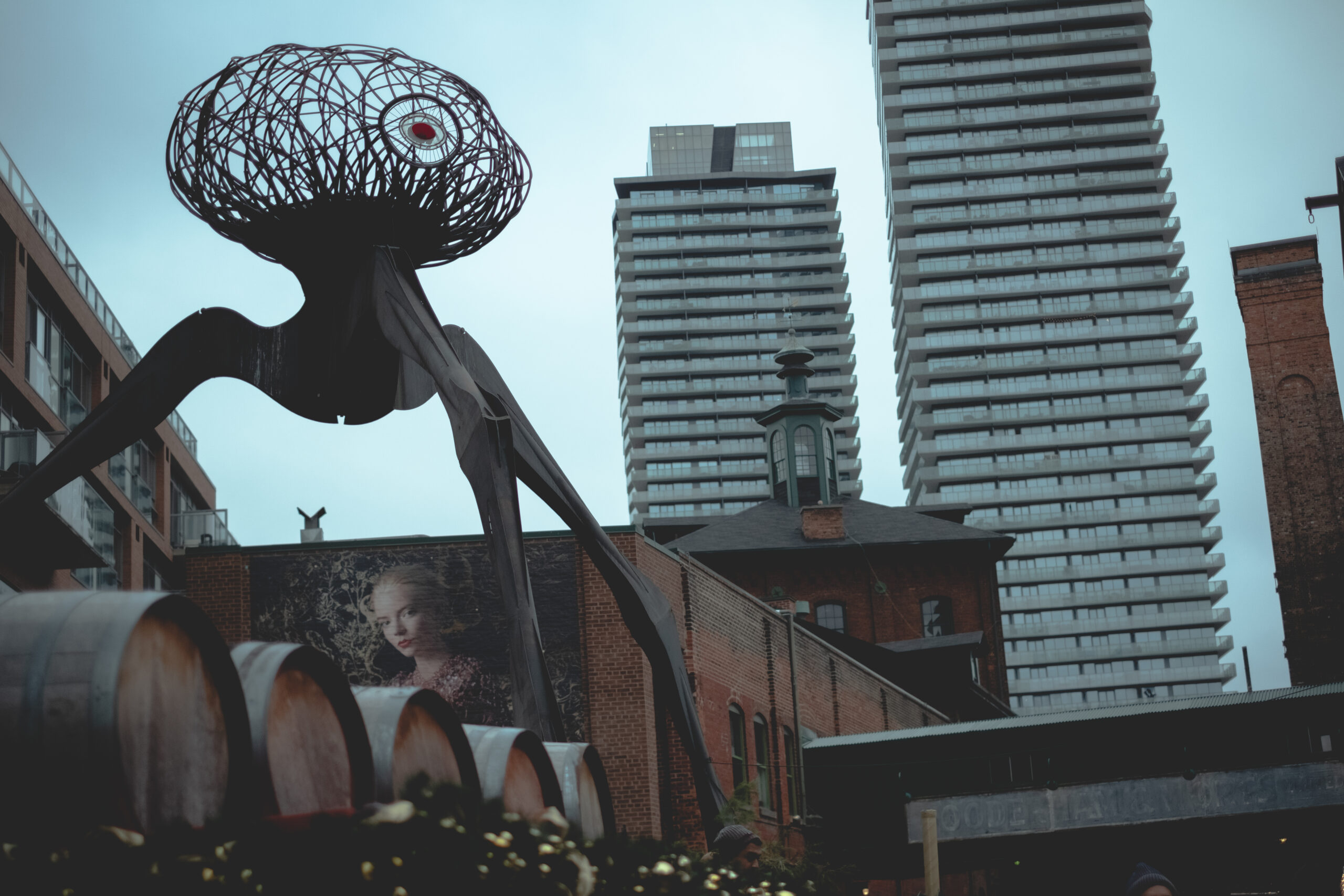
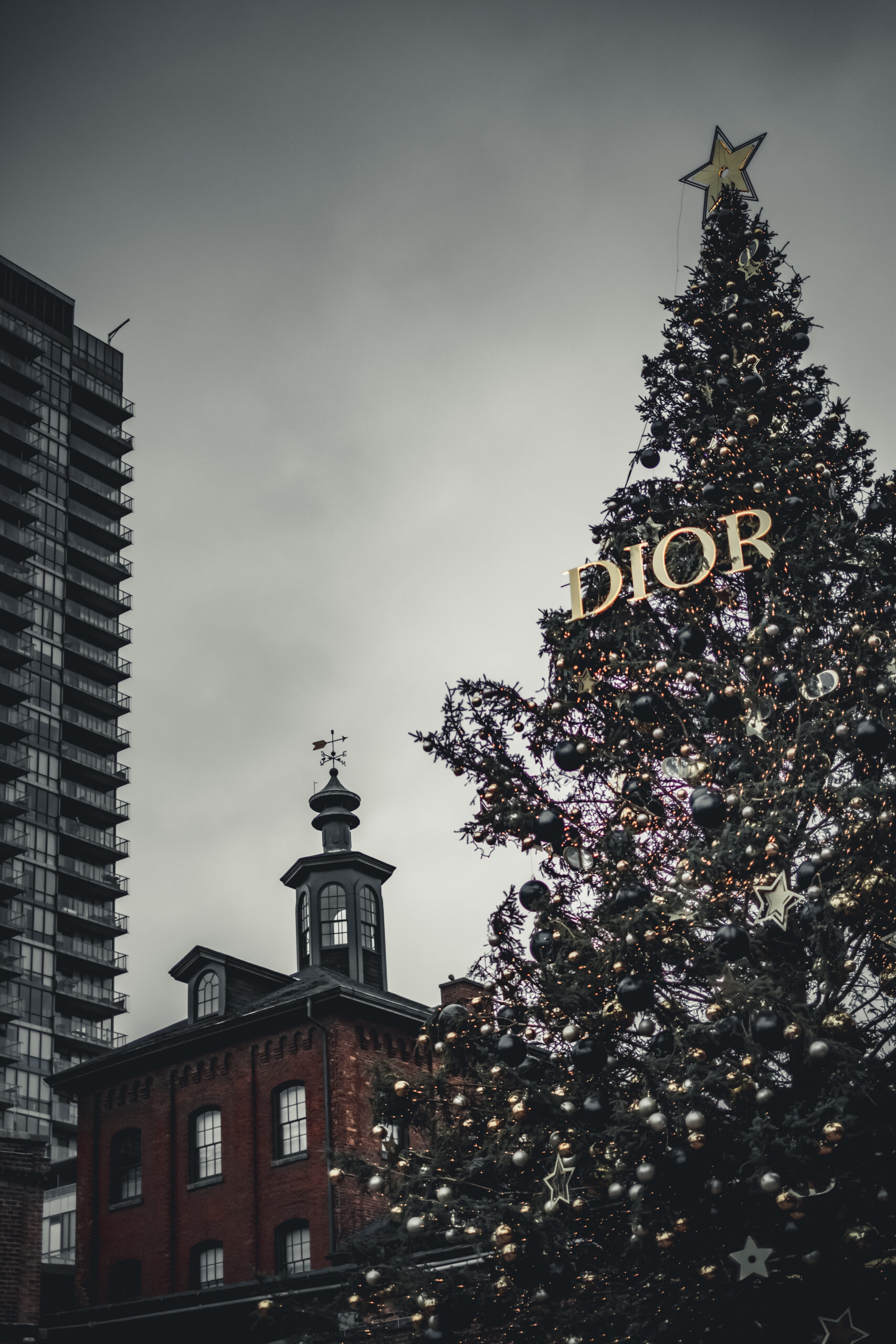
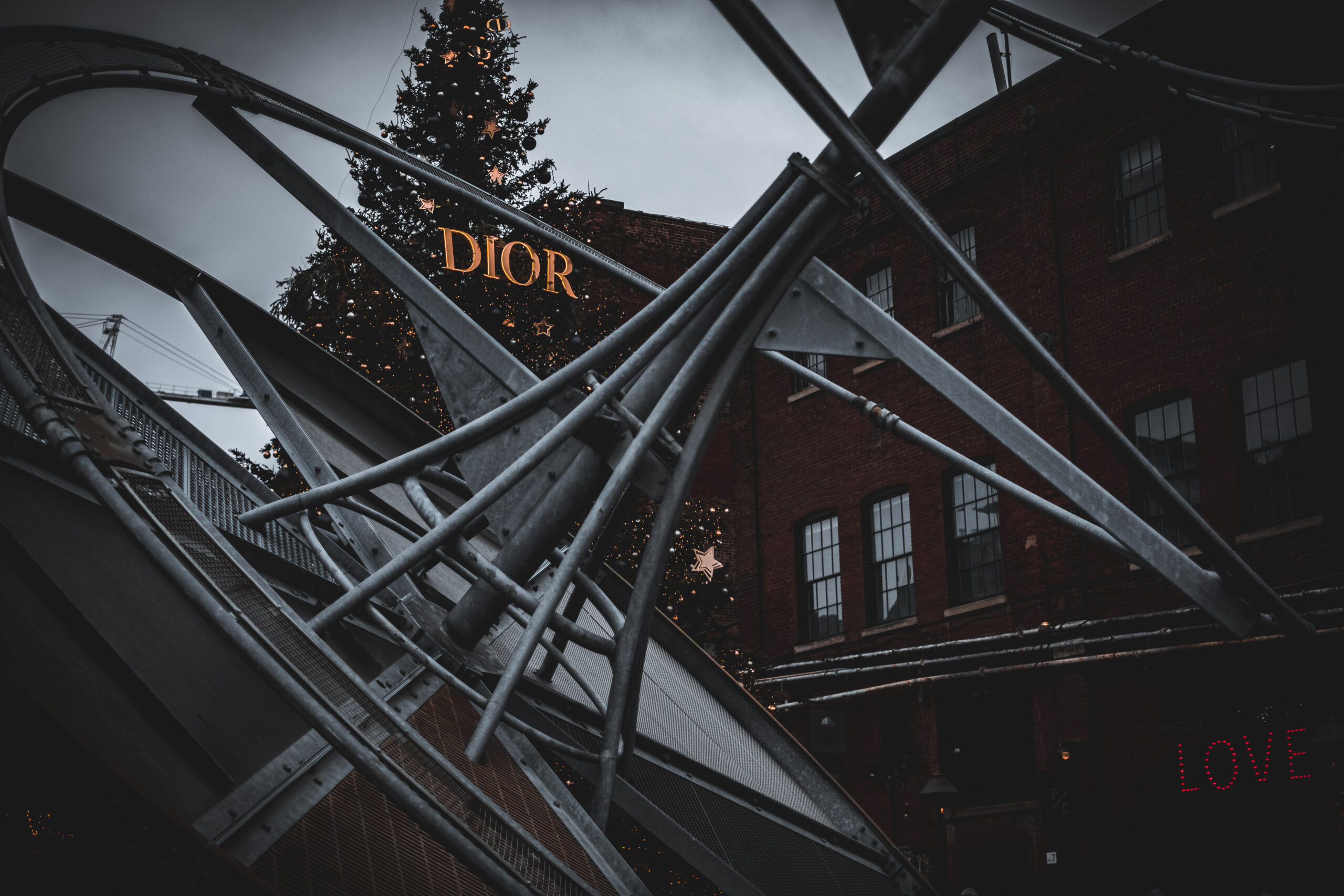
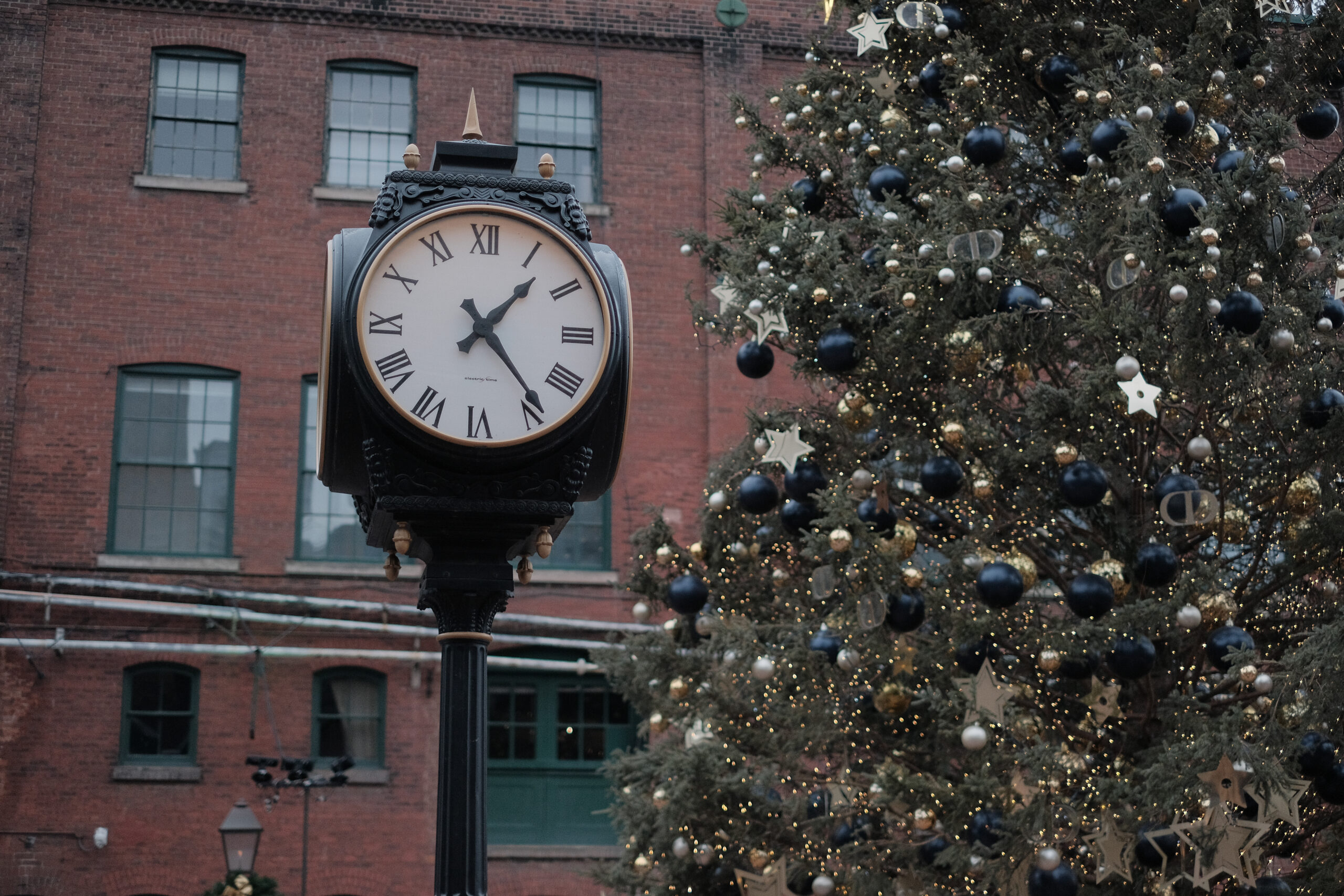
Toronto’s Distillery District transforms into a different kind of city space during winter. Historic red-brick industrial buildings from the 19th century frame narrow pedestrian streets, while seasonal lights and Christmas installations soften the strong industrial character of the site. Walking through the district reveals a layered urban experience where heritage architecture, public art, and contemporary city life coexist. One of the most striking moments occurs near the large metal sculpture standing against the skyline of modern condominium towers. The contrast between the skeletal steel artwork, the preserved brick warehouses, and the repetitive balconies of high-rise buildings reflects Toronto’s evolving urban identity. Past and present stand together within the same frame, revealing how the city continuously adapts while preserving traces of its industrial history. The historic clock and surrounding masonry structures reinforce the character of the district. These brick façades, once part of a whiskey distillery complex, now house cafés, galleries, and boutiques. During the holiday season, Christmas trees decorated with warm lights and ornaments introduce a festive atmosphere that contrasts with the cool tones of winter skies and the solid texture of aged brick.
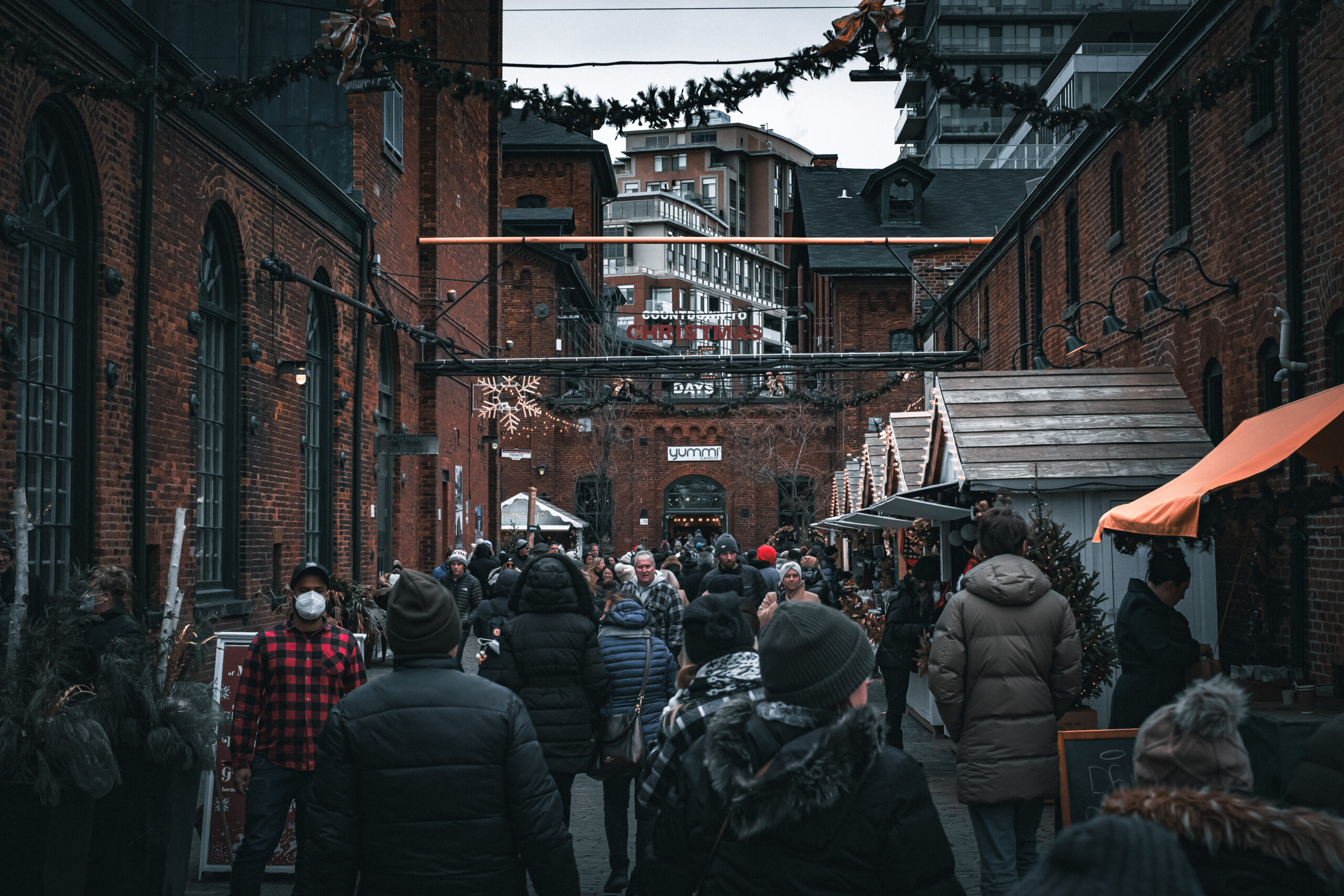
As the evening progresses, the district becomes increasingly animated. Small kiosks line the pedestrian lanes, offering warm drinks, local food, and handmade goods. Crowds move through the narrow streets framed by historic warehouses, creating an atmosphere that feels both intimate and lively. The architecture plays an important role in shaping this experience; the scale of the buildings and the texture of brick walls make the environment feel enclosed and walkable despite the dense gathering of visitors.
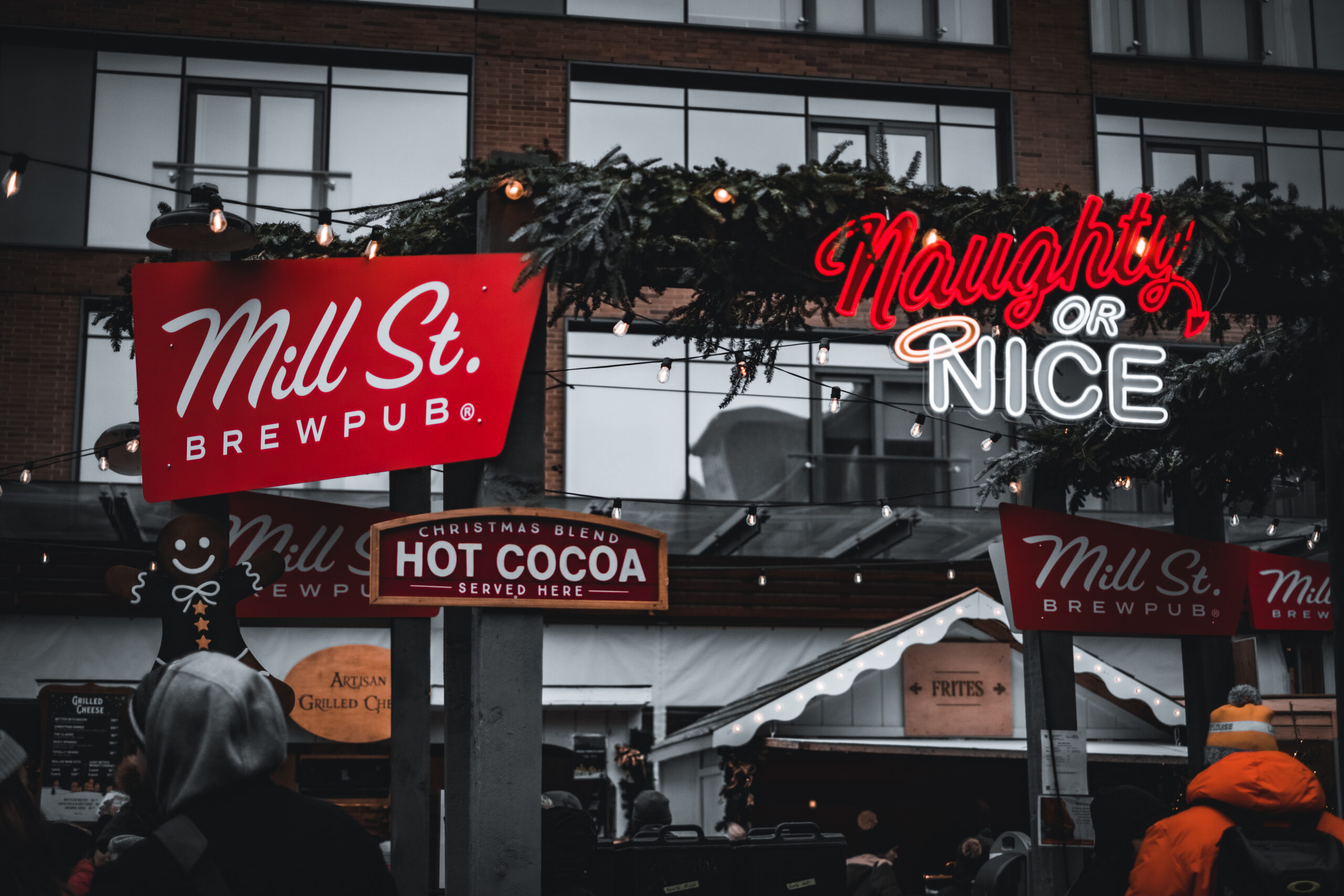
Neon signs from places like Mill Street Brewpub add a contemporary layer to the historic setting. Their bright colors cut through the dim winter light, guiding people toward restaurants and gathering spaces. Meanwhile, temporary outdoor bars and stalls bring a sense of informality and warmth, where visitors pause briefly with hot drinks before continuing through the market.
Small details also tell quieter stories. A collection of metal locks attached to railings reflects personal gestures left by visitors over time. These everyday objects transform into symbols of memory and connection within the urban landscape. Moments like these reveal how public places accumulate meaning through human interaction.
The Distillery District during winter is therefore more than a seasonal market. It is an example of how adaptive reuse, public space, and cultural programming can transform former industrial infrastructure into a vibrant civic destination. For an architect and photographer, the district offers a compelling study of texture, light, and urban life, where architecture becomes the stage for everyday experiences.
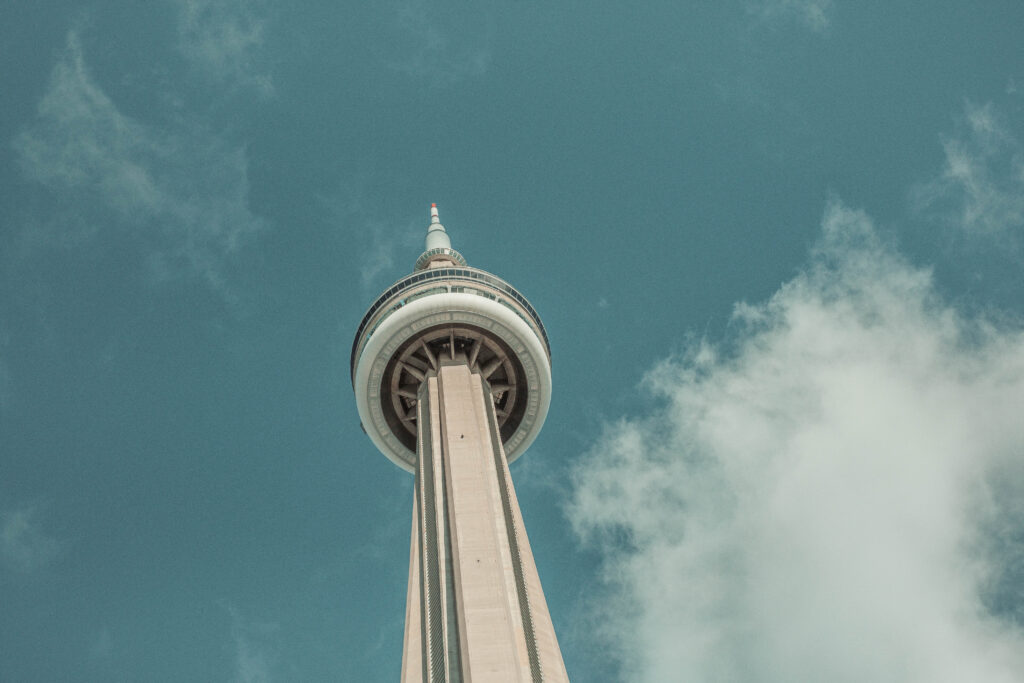
Standing beneath the towering structure of the CN Tower, the camera points upward into a vast blue sky, emphasizing the…
Further along Queen Street West, storefronts introduce bold color into the urban environment. A deep orange façade beside a dark…
A series of photographs captured during a drive north of the Greater Toronto Area toward Tobermory, passing through the quiet…
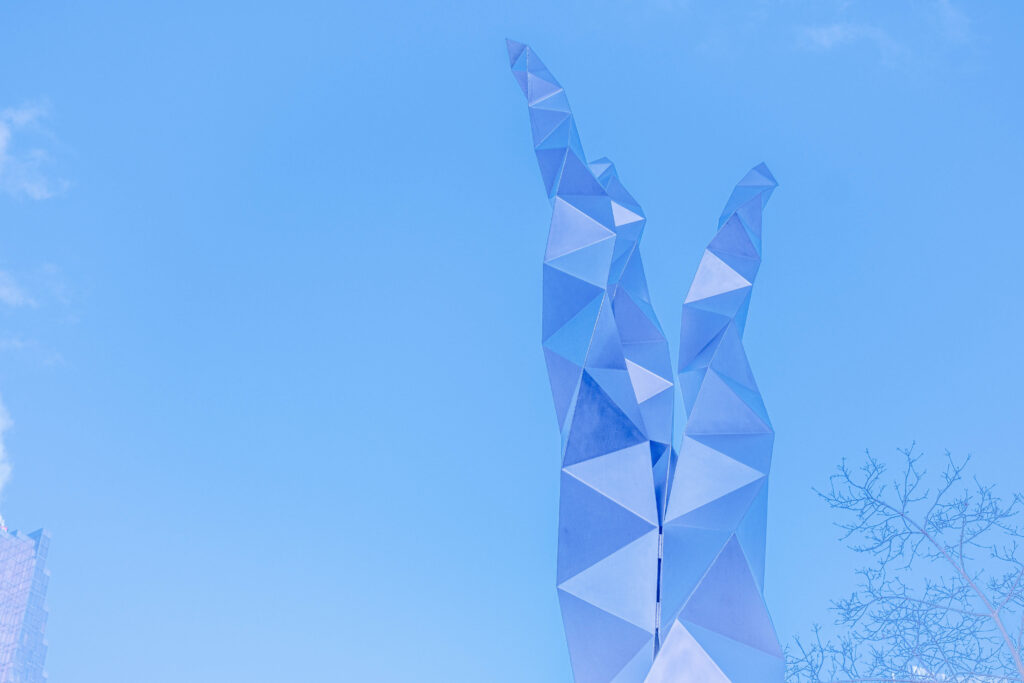
A faceted sculpture rises confidently between two glass towers, its crystalline surfaces catching the light against a clear blue sky.…